
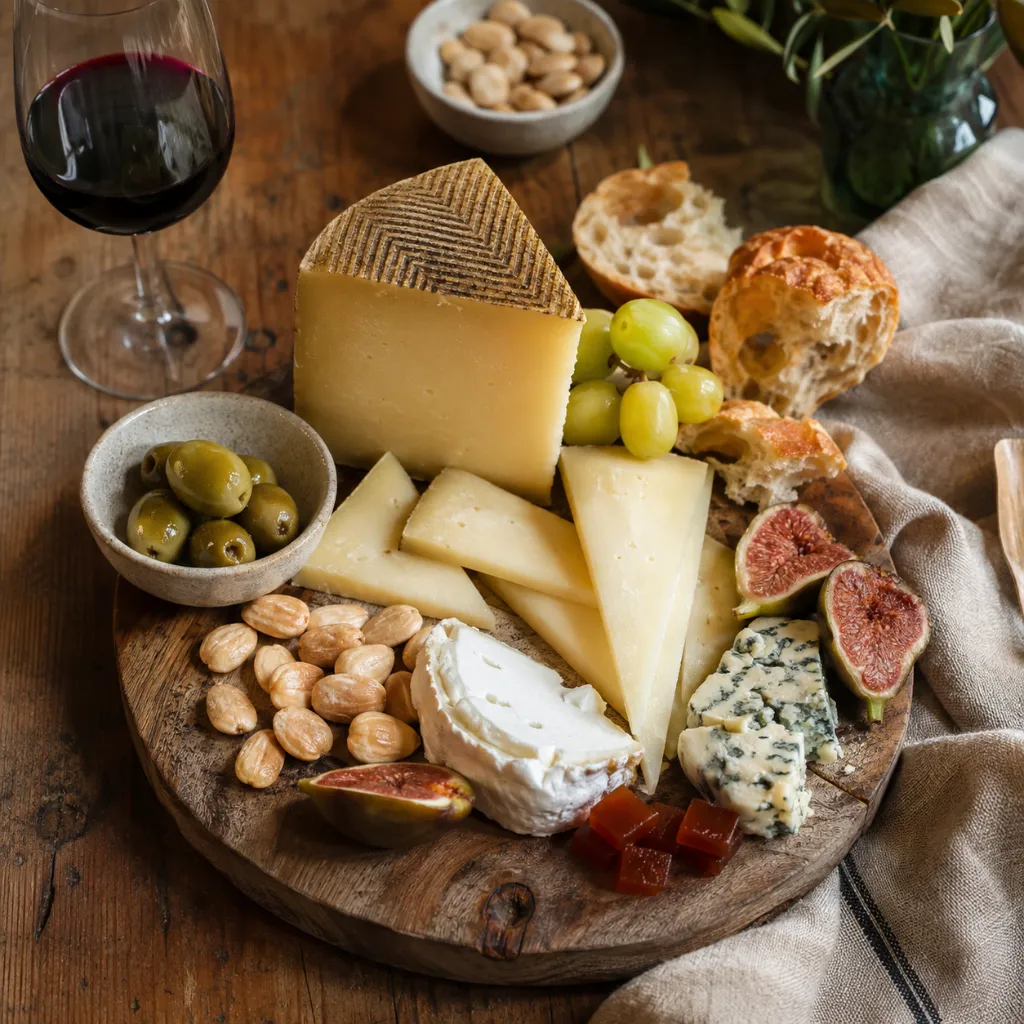
Choosing the right cheese for every occasion
Cheese has a way of turning an ordinary get-together into something special. Whether you are putting together a quiet snack for two or laying on a spread for a big celebration, the cheese you pick can make all the difference. At The Cheese Shop Nantwich, we spend our days thinking about which cheese suits which moment, and we love sharing what we know with anyone who wants to build a better board.
This piece is here to help you work out which cheeses are best for a tapas board, and how to think about cheese selection more broadly, whether you are planning a dinner party, a picnic, or a gift for someone who loves good food.
Best cheese for tapas boards
Tapas is all about small plates packed with big flavour, and cheese fits right into that idea. A good tapas board needs a mix of textures and tastes, something firm and salty next to something soft and creamy, so that every bite feels a little different from the last.
Manchego is the cheese most people think of first when tapas comes up, and for good reason. This firm sheep’s milk cheese from Spain has a nutty, slightly tangy flavour that pairs beautifully with cured meats, olives, and roasted peppers. If you want to try it for yourself, you can find out more about this classic choice on our manchego page, where we explain what makes it such a reliable favourite on tapas boards across the country.
Alongside manchego, we would suggest adding a soft goat’s cheese for a bit of tang and creaminess, and perhaps a blue cheese for those who enjoy a bolder bite. A hard, aged cheese with a bit of crunch, like an aged Gouda, also works well because it gives the board some texture variety. The key is not to pick just one cheese and call it done, but to think about how three or four different types will play off each other and off the other tapas dishes on the table, such as chorizo, marinated anchovies, and patatas bravas.
Building variety and balance
When you are putting a tapas board together, think about colour as well as flavour. A pale, crumbly cheese next to a deep orange, waxy one looks as good as it tastes. Try to include something mild for guests who prefer gentler flavours, and something stronger for those who like a bit of a kick. This way, everyone at the table finds something they enjoy, and the board feels generous rather than samey.
It also helps to think about how the cheese will be served. Some cheeses slice neatly and look lovely fanned out, while others crumble and are better served in small chunks or spread thickly on bread. Mixing serving styles adds interest to the board and makes it feel like more thought has gone into the arrangement.
Diversity in cheese selection for every occasion
Tapas boards are just one example of how the right cheese choice can shape an entire experience. The same thinking applies whether you are putting together a full cheeseboard for a dinner party, a simple platter for a Sunday afternoon, or a gift box for someone special. Our guide to the perfect cheeseboard goes into more detail on how to balance flavours, textures, and quantities so that nothing feels out of place.
We always encourage people to think beyond the familiar. Cheese is such a broad subject that there is always something new to try, whether that is a washed rind cheese with a strong smell but a surprisingly mild taste, or a soft, bloomy rind cheese that oozes when it is ripe. Trying something unfamiliar alongside a few reliable favourites is a great way to keep things interesting without overwhelming your guests.
If you are new to the world of cheese and want to understand more about the different types, how they are made, and where they come from, our cheese wiki is a good place to start. It covers everything from the basics of hard and soft cheeses through to more detailed information on specific regions and traditions.
Cheese and its role in food traditions
Cheese has been part of food culture for thousands of years, and nearly every country has its own version, shaped by the local climate, the animals available, and the traditions passed down through generations. Spanish tapas culture leans on cheeses like manchego because they are hardy, transportable, and pair well with the bold, sunny flavours found in Spanish cooking. French cuisine leans towards soft, delicate cheeses that reflect a slower, more formal approach to eating. Italian cooking often uses cheese as a seasoning as much as a standalone food, grated over pasta or melted into sauces.
Understanding a little of this background can help you choose cheese with more confidence. Rather than picking something at random, you can think about the meal you are serving and choose a cheese that fits the mood and style of that cuisine.
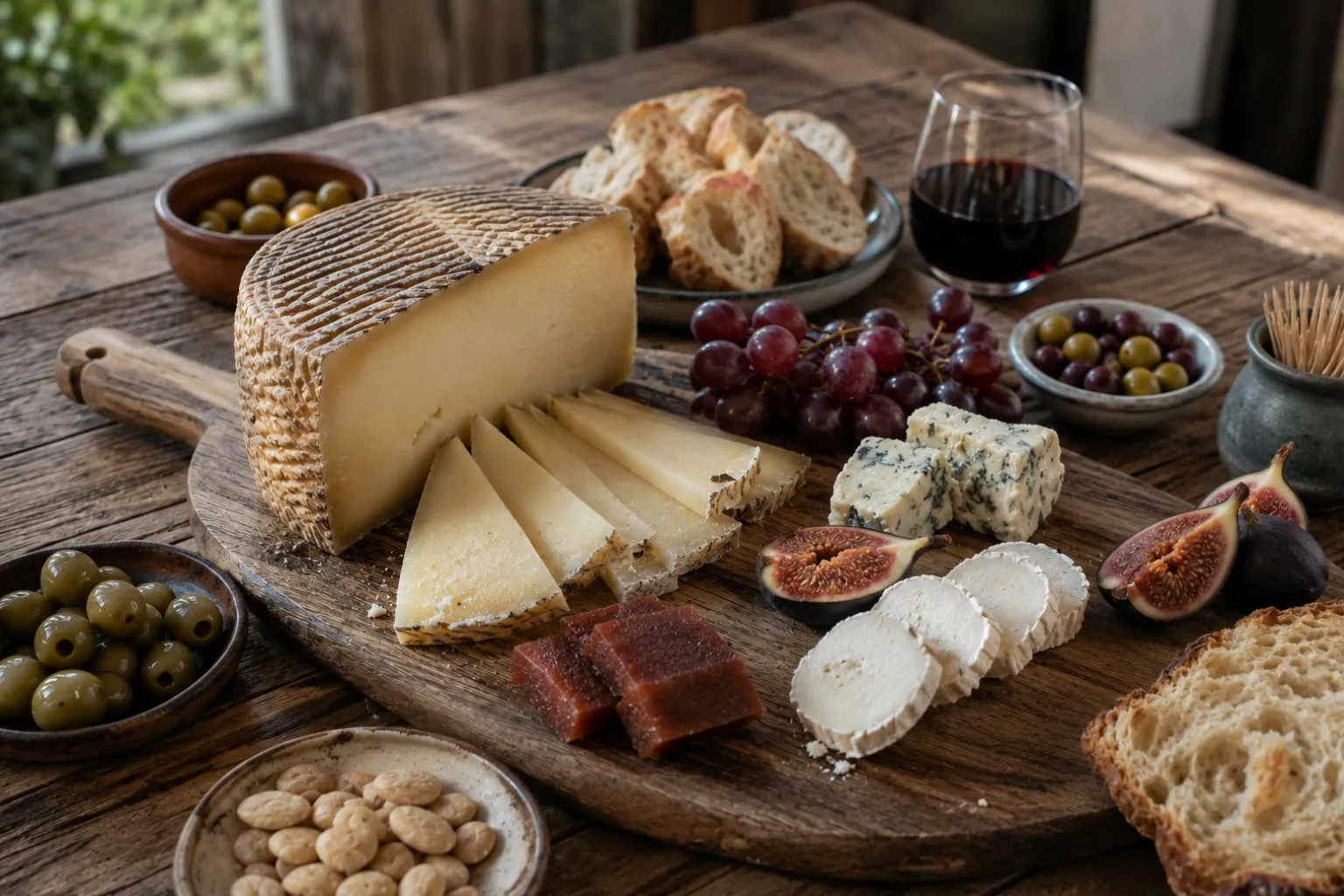
Pairing cheese with wine, fruit, and nuts
Once you have chosen your cheeses, thinking about what to serve alongside them can lift the whole experience. Wine is the classic partner, and the general rule is that lighter, younger cheeses suit lighter wines, while stronger, more mature cheeses can stand up to bolder reds or sweet dessert wines. A crisp white wine works nicely with a young goat’s cheese, while a rich, fruity red can hold its own against a strong cheddar.
Fruit is another simple way to add balance. Fresh grapes, sliced pears, and dried apricots all bring a touch of sweetness that cuts through the richness of cheese. Nuts, particularly walnuts and almonds, add crunch and a slightly bitter edge that works surprisingly well against creamy or salty cheeses. Even a drizzle of honey or a spoonful of good quality chutney can turn a simple slice of cheese into something a little more special.
The trick is not to overthink it too much. A few well chosen extras, spread out across the board, will do far more for the overall experience than trying to include everything at once. Give each cheese room to be the star of its own little pairing.
Storing cheese properly to keep it at its best
Good cheese deserves proper care once you get it home. Cheese that is stored badly can dry out, lose its flavour, or pick up smells from other food in the fridge. Wrapping cheese in greaseproof paper rather than cling film helps it breathe while still keeping it protected, and storing it in a slightly warmer part of the fridge, such as a lower drawer, can help preserve its texture and taste. Our guide on storing your cheese covers this in more detail, including how long different types of cheese will keep and how to tell if a cheese has gone past its best.
Taking a little care with storage means you get the most out of every cheese you buy, whether it is a small wedge for a midweek snack or a larger piece bought specially for a celebration.
Cheese as a thoughtful gift
Cheese also makes a wonderful gift, particularly for someone who appreciates good food but might not treat themselves to it very often. A carefully put together hamper takes the guesswork out of gift buying and gives the recipient a chance to try several cheeses at once, often alongside chutneys, crackers, and other treats that complement them. If you are looking for something to send for a birthday, an anniversary, or simply as a thank you, our range of hampers for delivery offers a simple way to share good cheese with someone else, wherever they happen to be.
Gifting cheese also gives people the chance to discover something new. Many of us stick to the same one or two cheeses when we shop for ourselves, so receiving a hamper with a mix of styles can open the door to a new favourite that might never have been tried otherwise.
Build the Perfect Cheeseboard for Any Occasion
Choosing the right cheese, whether for a tapas board, a full cheeseboard, or a gift, comes down to thinking about variety, balance, and a little bit of background knowledge. Manchego and its firm, nutty character make it a natural fit for tapas, while softer and bolder cheeses round out the flavours and textures on offer. Pairing cheese thoughtfully with wine, fruit, and nuts, and storing it properly once you get it home, means every piece you buy gets the chance to shine.
We would love for you to try building your own board with a mix of cheeses from The Cheese Shop Nantwich, whether that starts with a classic manchego for your next tapas night or a hamper sent to someone who deserves a treat. Have a browse of our range today and find the cheese that fits your next occasion perfectly.