
Gruyere Premier Cru Cheese
To make Gruyère, raw unpasteurised milk is heated to 34 °C (93 °F) in a copper vat and then curdled by the addition of animal

To make Gruyère, raw unpasteurised milk is heated to 34 °C (93 °F) in a copper vat and then curdled by the addition of animal

Traditionally it was made on small farms in the counties of Glamorganshire and Monmouthshire, South and Mid Wales. Thought to have first appeared in the

Brunost is primarily produced and consumed in Norway. It is regarded as one of the country’s most iconic foodstuffs, and is considered an important part

It gains its name from the old French word “Fourme”, taken from the Latin “forma” and describes a cylindrical shape and from the town of

Federia cheese is made with milk from a 350 strong Holstein Friesian herd which graze on the Cheshire pastures around the village of Malpas. Anne

Since then, cheese production has evolved through the generations and, in 2004, White Lake Cheese was introduced, this used Goats milk sourced from local farms.

Claire Burt started making cheese in January 2009 in Altrincham, Cheshire. It was a career in the dairy industry, that inspired Claire to follow her

Simon Jones works the family farm; Ulceby Grange at Alford, which is 10 miles from the coast on the Lincolnshire Wolds. Simon is the fourth

“Vinny” is a local Dorset term related to the obsolete word “vinew”, which means to become mouldy. Another explanation has it that “vinny” is a
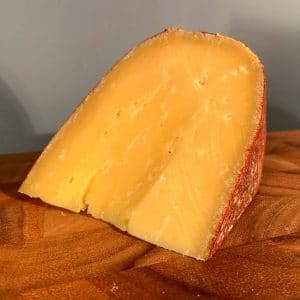
Overlooked by Northumberland’s picturesque Cheviot Hills and set in the Glendale valley, the North Doddington Farm is home to a herd of Friesian-Ayrshire cows and,

It is based on the lines of other classics such as Brillat Savarin or Explorateur and originated in the Burgundy region of France where Delice

Each cheese is made with raw, unpasteurised milk from the Alpine goats, who are easily recognised by their thick brown coats and can be found