A Short History of French Goat Cheese
Goat cheese, or fromage de chèvre, has roots that stretch far back in French history. The warm, dry regions in the south were especially good for raising goats, and long before modern refrigeration, goat cheese was a practical solution for preserving milk.
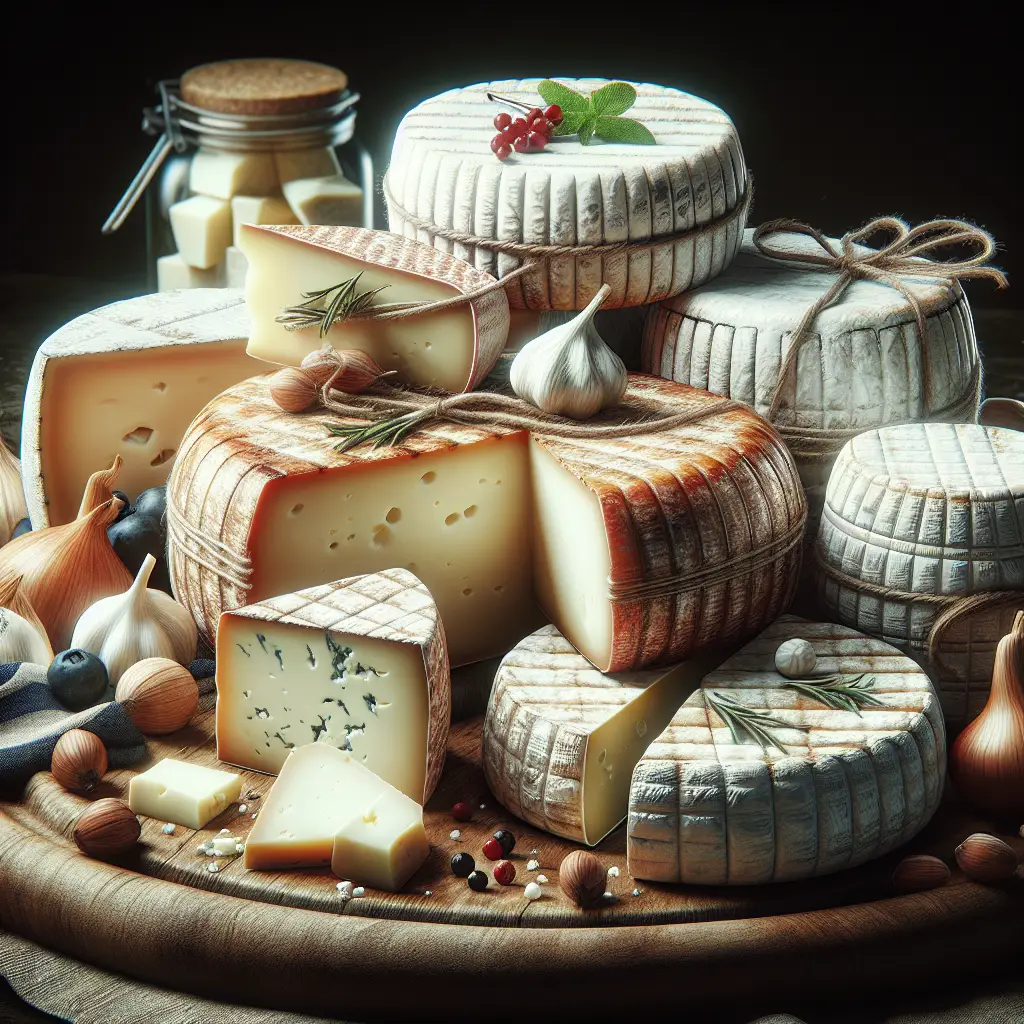
Regions such as the Loire Valley, Poitou-Charentes, and Provence became known for their expertise in goat cheese. People in these areas developed traditional methods that are still used today. For example, goat milk is often left to curdle naturally, and is then drained in small moulds, sometimes rolled in ash or herbs to help preserve it and add flavour.
Because French goat cheese has been made for so long and with such dedication, many of the styles have now been awarded PDO (Protected Designation of Origin) status, meaning they’re legally protected and must be made in a specific way, in specific places. This only adds to their charm and value for cheese lovers around the world.
You can see how these traditional methods and heritage keep these cheeses a popular choice by browsing our wide range of artisan cheeses.
Types of French Goat Cheese You Should Try
Let’s talk about some of the best-known and loved French goat cheeses. They come in all shapes and textures, from creamy logs to aged pyramids and wrinkled rounds.
Crottin de Chavignol
One of the most popular forms, Crottin de Chavignol, comes from the Loire Valley. When it’s young, it’s soft and mild with a fresh tang. As it matures, it becomes crumbly with stronger, nutty flavours. This incredible cheese can even be grilled slightly and served warm over salads.
Valençay
This unique pyramid-shaped cheese is coated in ash and has a grey exterior with a smooth and creamy inside. Valençay has a refreshing citrusy flavour and pairs well with white wines or honey. Its shape comes from a story that Napoleon had the top chopped off after he lost in Egypt, no reminders of pyramids allowed!
Sainte-Maure de Touraine
This log-shaped cheese has goat straw through its centre, which helps it hold together and identifies its origin. It’s often covered in ash and boasts a creamy, rich centre. The rind might seem intense at first, but it adds a lovely contrast to the soft inside.
Bucheron
Bucheron is a semi-aged goat cheese that has a firmer outer layer and soft, tangy interior. It’s ideal for slicing and putting on crackers or toast, and works beautifully on cheeseboards. It has a white bloomy rind and a gentle punch that many cheese fans enjoy.
You can always find these cheeses along with others on our dedicated page for cut French cheeses.
How to Taste and Enjoy French Goat Cheese
Tasting French goat cheese is more fun when you know what to look for. First, let the cheese come to room temperature for the full flavour. Start with the mildest cheese and work your way up to stronger varieties. Notice the differences in aroma, texture, and taste as you go.
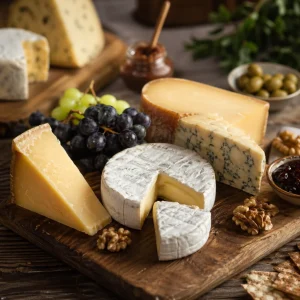
You can spread soft goat cheese on fresh baguette, add it to salads, or let it melt on top of roasted vegetables. Older cheeses pair well with nuts, pears, and stronger breads. We love serving them on a cheeseboard with dried fruit, olives, and slices of fresh fig, depending on the season.
Try mixing textures, perhaps one creamy, one crumbly, and one aged, to make your board exciting and varied. And don’t forget to include something sweet like honey or fig jam. It balances the acidity in the cheese perfectly.
Perfect Cheese Pairings: Wine, Fruit and More
Pairing goat cheese can make flavours shine brighter than ever. White wines with good acidity, like Sauvignon Blanc, are always a good match. The crispness of the wine brings out the creamy tang of the cheese beautifully. Try a Sancerre or Pouilly-Fumé for classic pairings with cheeses from the Loire.
For red wines, go light, something like a Pinot Noir or Gamay. Too much tannin in bold reds can overpower softer goat cheeses.
Fruits are another great companion. Apples, grapes, pears, and even strawberries can lift both the sweetness and the earthiness of the cheese.
Fancy a different twist? Try goat cheese with rosé or even sparkling wine. A simple glass of Champagne can add a refreshing flair to a creamy bite.
Nuts are brilliant too, walnuts, almonds, and hazelnuts add crunch and warmth to soft cheeses.
French Goat Cheese in Cooking
French goat cheese is not just for a cheeseboard. It brings amazing character to cooked dishes, too. Layer it on top of a tart with caramelised onion and beetroot, crumble it over a spinach salad, or stir it into warm pasta for a quick creamy sauce.
Grill a slice of Sainte-Maure de Touraine on toast with a drizzle of honey and walnuts. Bake it into puff pastry for a rich starter. Or blend a soft cheese with herbs and garlic to make a creamy dip for crackers or crusty bread.
Chefs love goat cheese for how well it melts and its strong yet clean flavour. It’s great in omelettes, frittatas, or stuffed into mushrooms.
Cheese Shop Nantwich offers a full selection of artisan cheeses, including many perfect for recipes and cooking adventures.
Storing and Serving Tips
Goat cheese is best eaten fresh, but it can last longer with proper storage. Keep it wrapped in wax paper or parchment, not plastic. Plastic traps moisture and encourages faster spoilage. Store the wrapped cheese in the vegetable drawer or a cheese box in your fridge, where it stays cool but not frozen.
If the rind hardens a little, that’s normal. But if the smell becomes sour or the cheese becomes slimy, it may be time to toss it.
Serve cheese at room temperature for its best flavour. Take it out of the fridge about 30 to 60 minutes before serving. This softens the texture and releases the aroma.
FAQs
Is French goat cheese made with raw milk or pasteurised milk?
Many traditional French goat cheeses are made with raw milk, but pasteurised versions also exist. Raw milk cheeses tend to have deeper flavours, but either type can be delicious.
Can people who are lactose intolerant eat goat cheese?
Goat cheese usually has lower levels of lactose than cow’s milk cheese, which makes it easier for some to digest. But if you’re sensitive, it’s a good idea to try small amounts first.
How do I know when French goat cheese is ripe?
Soft goat cheeses often become creamier and more intense over time. If a cheese feels runny under the rind and has a strong aroma, it’s likely at peak ripeness.
What’s the best way to cut soft goat cheese?
Use a knife dipped in hot water and wiped dry. This stops the cheese from sticking and gives you clean cuts.
Can I freeze goat cheese?
Yes, but freezing works best for firmer styles. The texture may change slightly and become more crumbly, but it’s still great for cooking.
Taste French Tradition with Every Bite
French goat cheese offers an exciting world of taste, all handcrafted with tradition, care, and flavour in mind. From fresh and zesty spreads to aged and nutty rounds, there is something to suit every taste.
Whether you’re planning a fancy dinner, craving a wine night with snacks, or just want something for your daily bite, French goat cheese brings joy with every lick and crumble.
You can explore an exciting range of artisan cheeses and find your next favourite at Cheese Shop Nantwich.
If you’re new to French cheese or ready to try something different, why not browse our collection of French cheeses? Dive into the world of great taste and tradition, and let the flavours of France inspire