Understanding the Differences Between Goat Cheese and Sheep Cheese
Cheese lovers often split into two camps: those who prefer the lighter, tangy profile of goat’s cheese and others who enjoy the richer, buttery notes of sheep’s cheese. At the Cheese Shop Nantwich, we’re often asked how these two types stack up against each other when it comes to flavour, nutrition and how they behave in recipes. While it comes down to taste in the end, learning the key differences can help you choose the right one for your plate.
Let’s explore goat cheese vs sheep cheese so you can decide which belongs on your next cheese board or in your favourite dish.
Flavour: Creamy or Tangy?
One of the first things people notice when tasting goat cheese is its tangy bite. This comes from the fatty acids in goat’s milk, which give the cheese a zippier, slightly acidic flavour. It has a fresh and sometimes grassy aroma that’s unforgettable. Depending on how long it’s aged, the flavour can shift from mild and creamy to strong and pungent. Try something like the smooth Rachel Cheese if you want a goat cheese that’s firm with a gentle sweetness.
Sheep cheese, in contrast, tends to have a more buttery texture with a sweeter, nuttier taste. Some say it’s richer and creamier than goat cheese, and it often lacks that sharpness which goat cheese fans love. Sheep milk has more fat and protein than both goat and cow milk, which contributes to the richness and depth of its cheeses. Take a look at our Artisan Sheep’s Cheeses at Cheese Shop Nantwich to find some superb examples.
When used in recipes or eaten alone, sheep cheeses tend to be fuller and more savoury, while goat cheeses bring brightness and lightness to a dish.
Nutrition: Comparing Health Benefits
Both goat and sheep cheeses are easier to digest than cow’s milk cheese, which is why many people swap to one or the other. But they’re different in their nutritional strengths.
Goat cheese has fewer calories and less fat than sheep cheese, which makes it an appealing choice for those looking for something lighter. It’s also naturally lower in lactose and can be gentler on the stomach. Plus, it contains healthy fatty acids that support energy.
On the other hand, sheep cheese is packed with essential nutrients. It contains more protein and calcium than goat cheese and includes a higher amount of vitamins like B12, zinc and vitamin D. Since sheep’s milk has more solids, it makes very nutrient-rich cheese.
People who want a protein-heavy, energy-dense cheese may turn to sheep cheese. Those watching their weight or seeking a milder dairy might go for goat varieties. Both can fit well into a balanced diet.
Texture: Soft, Semi-Hard or Crumbly?
Texture is a big part of your cheese experience. Goat cheese tends to be softer, especially when fresh. It crumbles nicely and melts finely on toast or jacket potatoes. Some goaty examples, like Ticklemore Goat, have a delicate crumbly texture that turns creamy as it warms on the palate.
Sheep cheese usually has a firmer or creamier bite, depending on the ageing. Well-aged sheep cheeses like Manchego can almost flake under the knife and give a hearty chew, while fresher versions are as spreadable as cream cheese. Try different textures to discover what suits your dish or occasion best.
Goat cheese reigns in lighter summer salads or on crackers with honey, while sheep cheese stands up better in heartier meals and cooked dishes.
Cooking: Which Cheese Works Best?
In the kitchen, cheese has to do more than taste good. It needs to behave predictably when heated, sliced or blended. Goat cheese softens and melts well, but doesn’t have the same “stretch” as cow cheese. It mixes beautifully into creamy pasta dishes or is whipped into dressings. Its zesty bite pairs nicely with sweet elements like beetroot, figs or roasted peppers.
The soft and smoky Queseria Rubicon Smoked Goat’s Cheese adds a new level of depth to warm dishes or is served on a cheeseboard next to charcuterie.
Sheep’s cheese melts differently. Its high-fat content makes it creamy and smooth, which is perfect for baked dishes or melting over stews and meats. It’s perfect in Mediterranean dishes like baked aubergine, risotto, or even folded into muffins.
The classic Crottin AOC shows the potential of French goat cheese in baking or grilled applications.
Remember: goat cheese shines in cool starters and fresh settings. Sheep cheese handles heat and heartiness like a pro.
Price and Availability: Which Is Easier to Find?
Because sheep produce less milk than goats or cows, and it’s richer, sheep cheese often ends up being more expensive. It’s also less common in many parts of the UK. The production scale is lower, and many sheep cheeses are aged longer, increasing the price even more.
Goat cheese, being more widely made in the UK, generally costs less and is easier to find in supermarkets or local farm shops. It comes in lots of shapes and sizes, from cylindrical logs to crumbled toppings, so you’re more likely to spot affordable options.
Still, both goat and sheep cheese are available from producers across Europe, especially from France, Spain, and the UK. At the Cheese Shop Nantwich, we offer a broad selection of both, and you can discover our full Goat’s Cheese collection for fine choices curated for quality and taste.
Cheese Pairings: What Goes Well With Goat and Sheep Cheese?
Pairing cheese is half the fun. The right combo of food or drink can bring out amazing flavours.
Goat Cheese Matches Well With:
- Fresh fruits like pears, strawberries and figs
- Tangy chutneys or honey
- Crisp white wines like Sauvignon Blanc
- Fresh herbs like thyme and basil
Sheep Cheese Matches Well With:
- Nuts, especially almonds and walnuts
- Savoury or spiced jams, such as chilli tomato jam
- Red wines like Rioja or Gamay
- Black pepper and smoked paprika
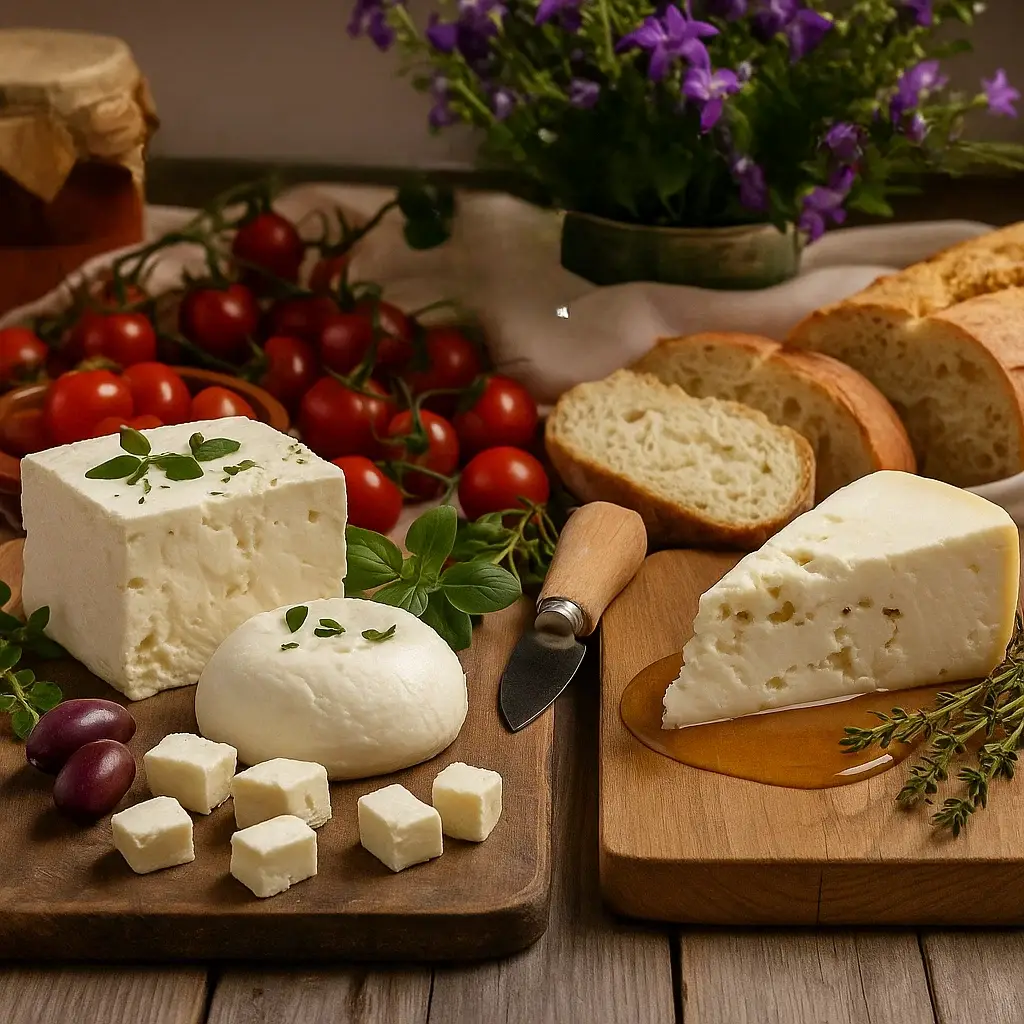
Add soft bread, sourdough crackers or crisp apples into the mix, and you have a balanced plate that lets both cheeses shine.
Shopping Tips: Choosing Quality Goat and Sheep Cheeses
Look for freshness, creamy edges and natural colour. Avoid cheeses that look dry or cracked unless they’re aged products, in which case a firm structure is a sign of quality.
Buying from a specialist like the Cheese Shop Nantwich means you can trust the source and get honest suggestions for serving, storing and pairing. Whether you’re after bold or mild, crumbly or gooey, our handpicked selection of both goat and sheep cheeses covers it all.
FAQs
Is goat cheese healthier than sheep cheese?
It can be if you’re watching fat or calories. Goat cheese is generally lower in both. Sheep cheese, though, has more protein and nutrients like zinc and vitamin D.
Does goat cheese have a strong flavour?
Yes, most goat cheese has a tangy and earthy flavour, especially when young. Aged goat cheese gets sharper and more concentrated.
Can you cook with both goat and sheep cheese?
Absolutely. Goat cheese melts nicely into sauces and spreads, while sheep cheese holds its shape well in baked or heated meals.
Which is better for people with dairy sensitivities?
Both may be easier to digest than cow dairy, but goat cheese is often lower in lactose, making it a more common choice for people with mild intolerances.
Which one works best on a cheeseboard?
Why not both? A mix of creamy goat and rich sheep cheese adds variety in flavour and appearance to any cheeseboard.
Find Your Favourite at Cheese Shop Nantwich
Choosing between goat cheese and sheep cheese doesn’t have to be tricky. Each brings something different to your plate: goat cheese with its tangy brightness and sheep cheese with its rich, smooth depth.
If you’re looking for a lighter flavour to refresh a salad, or a creamy punch to lift a pasta bake, you’ll find plenty of options across both categories. Visit us at the Cheese Shop Nantwich or browse our exceptional selection of goat’s cheese, including picks like Rachel Cheese, Ticklemore Goat and Queseria Rubicon Smoked Goat’s Cheese.
Explore both worlds and find your flavour today. Your perfect cheese might just be waiting.