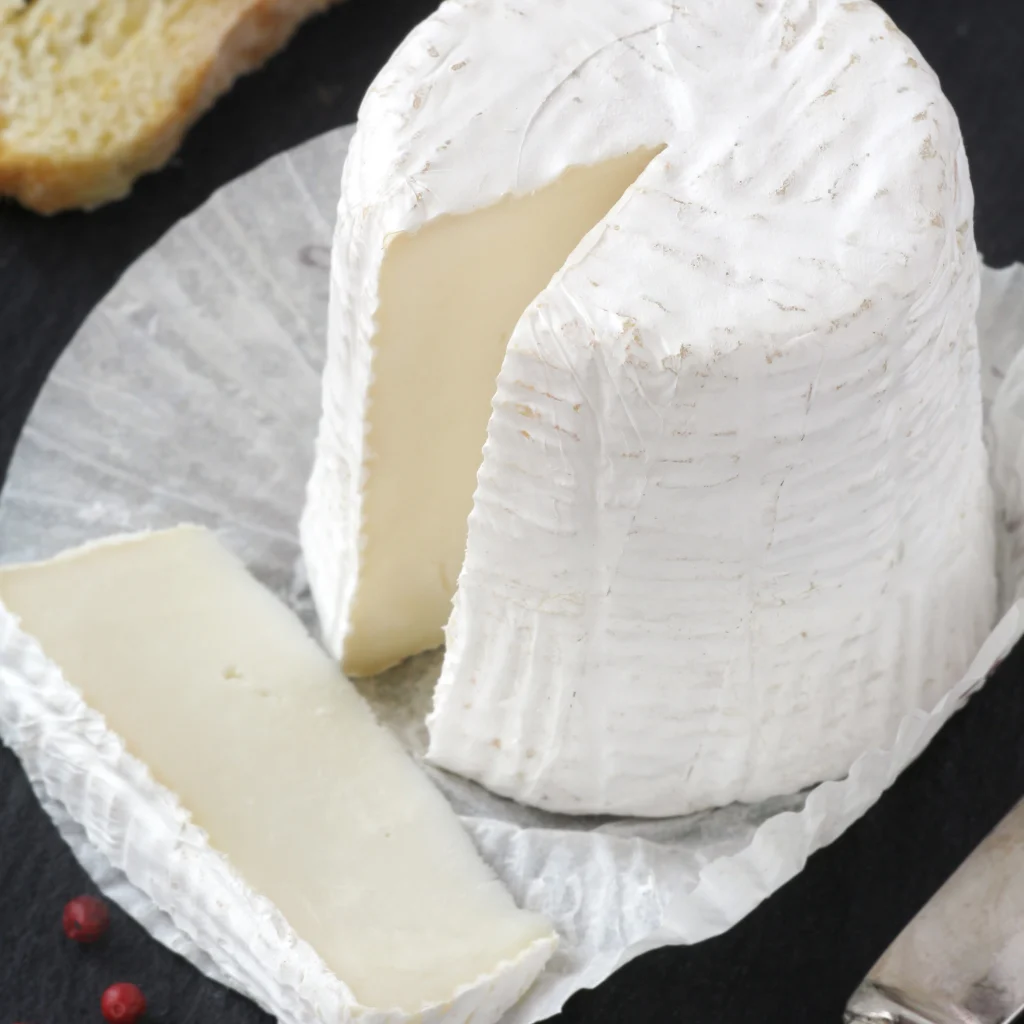
Why Adding Goat’s Cheese to Your Diet Could Be Healthy
Including goat’s cheese in our everyday meals can be a tasty and smart way to support better nutrition. From creamy terrines to crumbly blues, goat’s cheese comes in many flavours and textures to suit every palate. But there’s more to it than taste. Goat’s cheese benefits that go beyond what we’ve come to expect from ordinary dairy products.
We’ve taken a closer look at why goat’s cheese could be a brilliant choice for your plate. Whether you’re looking to change your eating habits, cut down on cow’s milk, or simply try something new, there’s good reason to give goat’s cheese a go.
Let’s explore how adding goat’s cheese to your diet might offer goodness from the inside out.
Goat’s Cheese is Naturally Easier to Digest
Many people who struggle with digesting cow’s milk products can often enjoy goat’s cheese with fewer issues. Goat’s milk has a different protein structure and smaller fat globules, which can break down more easily in our digestive system. That matters if you’re someone who gets a bloated tummy or other discomfort after eating regular cheese.
Goat’s cheese also contains less lactose than cheese made from cow’s milk. While it’s not completely lactose-free, the lower levels can make it easier for those with mild lactose sensitivities to enjoy dairy again without fuss.
One option worth trying is the Crottin AOC, a traditional French goat’s cheese with a gentle tang and crumbly texture. It’s tasty sliced onto salads or warmed up on toast if you fancy a light lunch or supper.
A Source of Vitamins and Minerals Your Body Needs
It might be surprising, but many types of goat’s cheese pack a fair helping of key nutrients. It’s rich in calcium for strong bones and teeth, a natural source of vitamin A for eye health, and includes necessary minerals like phosphorus, potassium and magnesium.
Goat’s cheese also contains healthy fatty acids, such as medium-chain triglycerides (MCTs), which are known to help with energy levels and may support weight management when eaten as part of a balanced diet.
When we eat a small amount of good cheese, we also get vitamin B2 (riboflavin) and selenium, both of which play useful roles in keeping us feeling well. With that in mind, you might like to explore something like Quicke’s Goat’s Milk Clothbound Cheese, which is a gently matured option made using traditional methods.
A Lower Fat Alternative with Full-On Flavour
If you’re watching your fat intake but still want something that feels rich and satisfying, goat’s cheese might offer what you’re after. It tends to have slightly less fat than full-fat cow’s cheese, and the fats it does contain are often easier for the body to use as energy.
Goat’s cheese also melts beautifully, so you can use less of it without losing any of the comforting texture or creamy mouthfeel. That can be especially handy when cooking dishes like grilled vegetables, pasta bakes or savoury tarts.
A good starting point is the Cheese Shop Nantwich Goat’s Cheese Terrine with Artichoke & Tomato, which offers seasonal flavour in a lovely, delicate form. You don’t need a lot to make a big difference in taste.
A Tasty Option for Healthy Snacks and Meals
One of the joys of goat’s cheese is its variety. From soft and creamy spreads to firm aged wedges, you can include it in your meals in countless ways. It makes a perfect topping for toast, a lovely addition to salads, or even something you crumble over roasted veggies.
If you enjoy smoky flavours, then the Queseria Rubicon Smoked Goat’s Cheese brings something extra to the table. It’s a brilliant companion for rye crackers, olives and peppers, making it ideal for a light picnic or lunchbox treat.
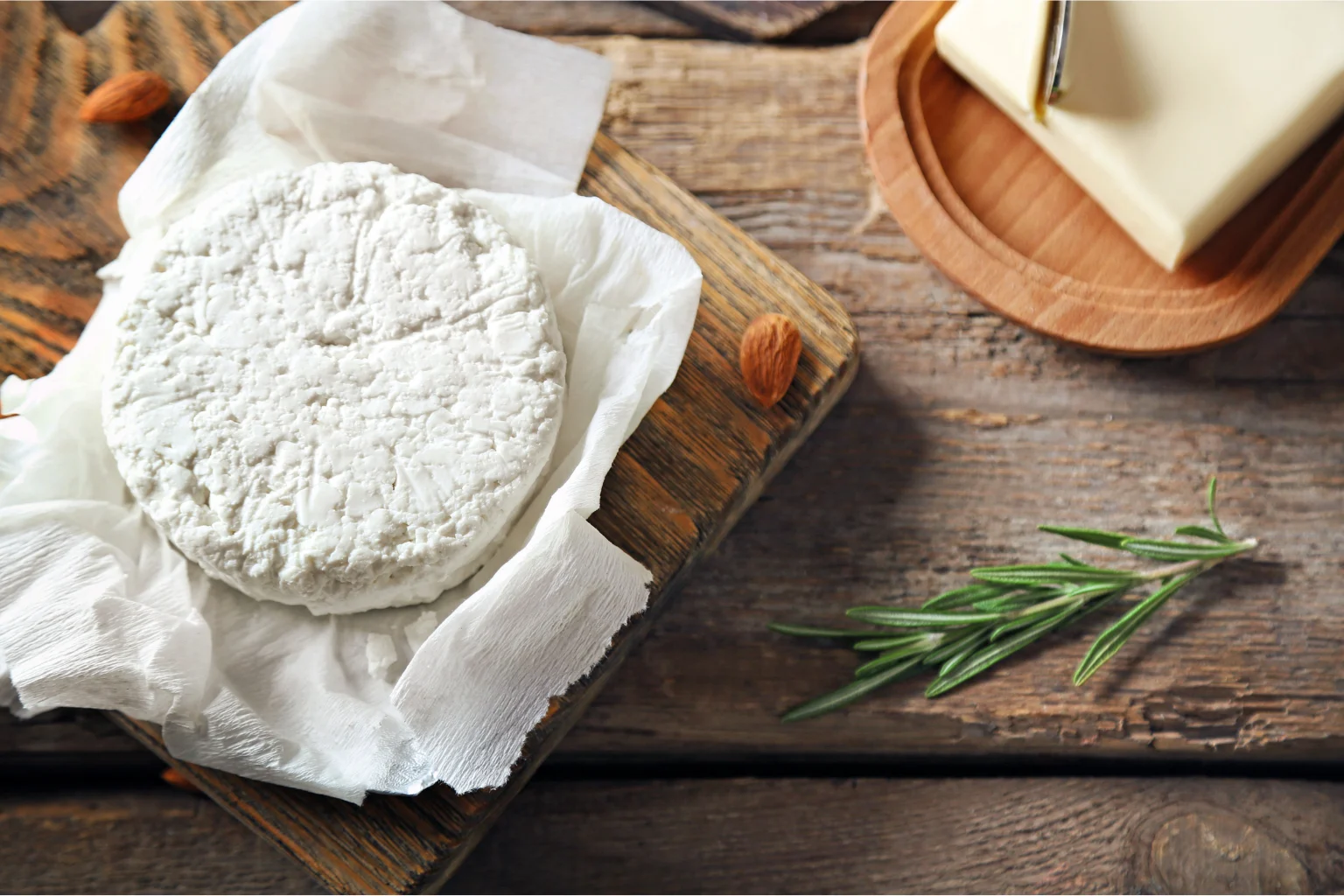
Goat’s Cheese Contains Healthy Probiotics
Some goat’s cheeses, especially those that are made with minimal processing and without pasteurisation, include helpful bacteria called probiotics. These good bacteria can support healthy gut flora, which might help with digestion and improve the immune system.
If probiotics matter to you, check whether the goat’s cheese you pick is made the traditional way and ideally from raw milk. Artisan cheeses tend to be the best for this, and we’ve got quite a few in the cut goat’s cheese section of our shop.
Feeling adventurous? Try the Burts Baby Blue Goat’s Mini, which offers an appealing mix of bold tang with the crumbly texture that blues are known for. It’s a cheese that adds character to any cheeseboard.
Ideal for Vegetarians and Those With Cow Milk Allergies
More people are choosing goat’s cheese not only for its taste but also because it fits well with special diets. Many goats’ cheeses are made using vegetarian rennet, which makes them suitable for vegetarians who avoid animal-based enzymes.
If you have a cow’s milk allergy or sensitivity, goat’s cheese may be a safer choice. Although it’s still dairy, the proteins that trigger reactions in cow’s milk are absent or present in different forms in goat’s milk.
A fantastic option here is Grace’s Goat, a handmade cheese suitable for vegetarians with a smooth texture and mild, delicate flavour. Try it crumbled over a vegetable couscous or tucked into a baked jacket potato.
Versatile for Cooking and Entertaining
If you’re entertaining guests or preparing a family meal, goat’s cheese adds a special touch without being fussy. It pairs well with olives, sun-dried tomatoes, beetroot, and toasted nuts. Use it in a savoury tart, blend it into mashed potatoes, or stuff it into mushrooms or peppers.
The key is to find varieties that match your own taste preference. For something creamy with earthy tones, the Cerron could be your next kitchen companion. It stands out when served fresh, but also works wonders when lightly grilled.
These little extras can elevate a basic dish into something comforting and satisfying without needing dozens of ingredients.
FAQs
Is goat’s cheese better for cholesterol levels than cow’s cheese?
Goat’s cheese typically has more medium-chain fatty acids, which may be processed differently by the body. It could be an easier option for some people when trying to manage cholesterol.
Can I eat goat’s cheese if I’m lactose intolerant?
Some people with lactose intolerance can enjoy small amounts of goat’s cheese. It has less lactose than cheeses made from cow’s milk, though it depends on the individual.
How can I keep goat’s cheese fresh?
Wrap it in greaseproof paper or wax paper, then place it in an airtight container in the fridge. Soft cheeses like terrines should be eaten within a few days of opening for the best flavour.
Is goat’s cheese high in protein?
Yes. Like other animal-based dairy products, goat’s cheese contains good amounts of protein to support muscle recovery and strength.
Are there low-salt options?
Salt levels vary between cheeses, so always check labels or ask us at Cheese Shop Nantwich for help picking a lower-salt version.
Supercharge Your Meals with Goat’s Cheese Benefits
Switching up the type of cheese we use at home can bring both fresh flavours and potential health perks to the table. Goat’s cheese might be a gentler alternative to cow’s cheese and quite often packs in nutrients our bodies need each day.
We love how goat’s cheese suits different diets and brings something extra to everyday recipes. There’s something for everyone in our collection, whether you fancy a mild, creamy wedge or a more robust, smoky bite.
To explore the full range of goat’s cheeses in our shop, from classics to unique farmhouse finds, take a look at our cut goat’s cheese collection. Whether you’re after something bold like Crottin AOC or refined like Graces Goat, we’ve got delightful options waiting for you.
Why not pick one for your next lunch or weekend platter and taste the difference for yourself?