
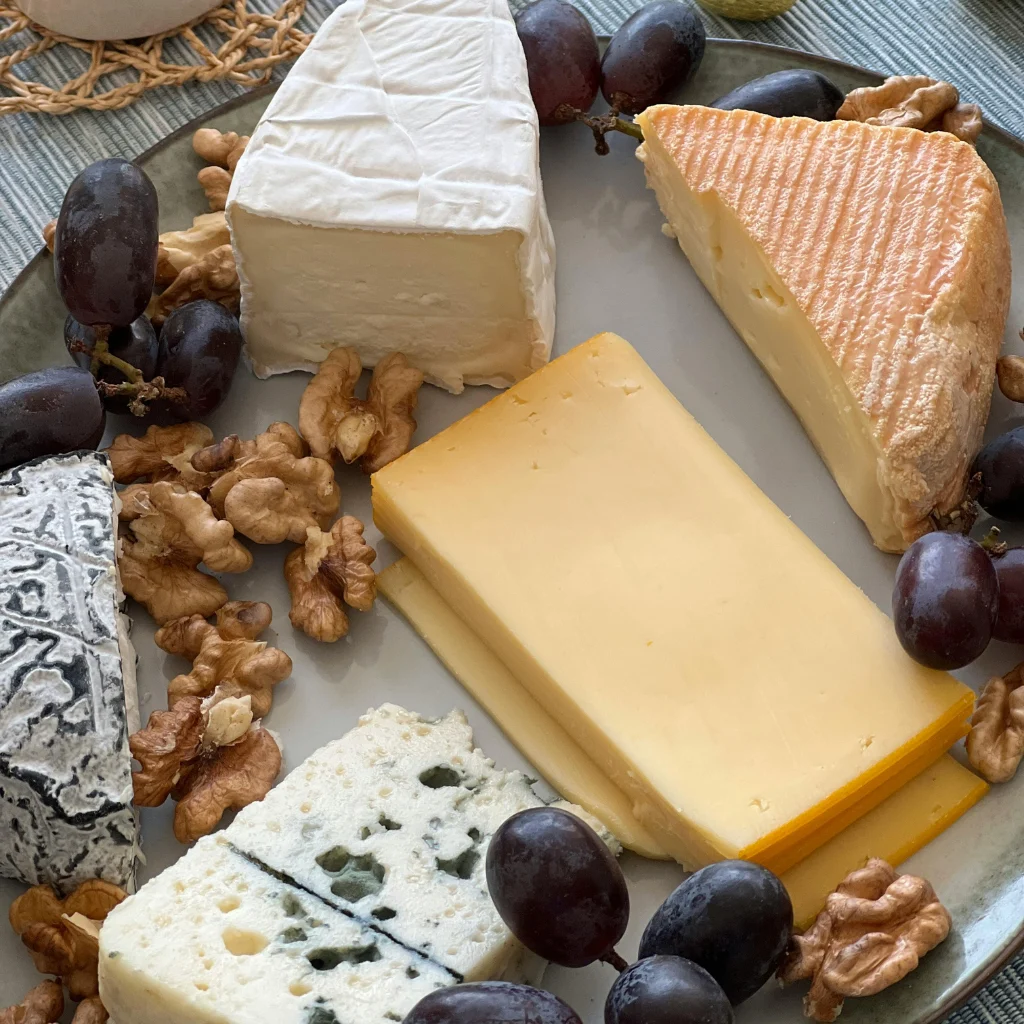
The Full-Flavoured World of Cheese Tasting
Cheese tasting is far more than simply biting into a wedge and deciding if you enjoy it. It is a sensory experience where taste, aroma, and feel on the palate come together as one. Every piece of cheese carries with it a story, a tale of its birthplace, the milk that shaped it, and the care that went into ageing it to perfection.
At The Cheese Shop Nantwich, we see cheese as an art form, and understanding it means learning how flavour, texture, and balance all work together. Whether you’re just starting your cheese journey or searching for deeper knowledge, identifying what makes each cheese type unique will help you taste with focus and appreciation.
Let’s explore the essentials of flavour, texture, and the delicious balance that makes each cheese memorable.
Exploring the Layers of Cheese Flavour
Flavour is what most people think of first when they taste cheese, but it’s actually the most layered and complex part of the experience. Flavour is not just a simple taste on the tongue; it involves smell, the basic tastes like salty or umami, and even what lingers once you’ve swallowed.
Aroma: Smelling Sets the Stage
Up to 80 per cent of flavour comes from aroma. This is why when your nose is blocked, food tastes flat. In cheese, aroma develops during ageing, a process known as affinage, when bacteria and enzymes go to work creating unique smells. Washed rind cheeses, for example, often develop earthy and sometimes intense aromas, while blue cheeses add a piquant edge due to mould cultures.
Taste: The Basic Flavour Notes
Our tongues can detect five main tastes: salty, sweet, bitter, sour, and umami. Cheddar typically sits firmly in the salty category, with mature versions developing sharper notes. Creamy brie or camembert is sweet and earthy. Blue cheese can hit bitter or umami, depending on how long it’s been aged.
Aftertaste: The Lingering Layers
Aftertaste refers to the flavours that remain on the palate after swallowing. A well-aged cheddar might leave a tangy, nutty note, while a soft goat’s cheese lingers with a mineral, grassy tone. Aftertaste provides a clue into the cheese’s development and depth.
Where the cheese comes from (its terroir) and what the animals eat can shape flavour significantly. Grassy pastures in Somerset give Somerset brie a different flavour from a brie made in France. You’ll also notice stronger flavours in cheeses from sheep or goats compared to cows, thanks to differences in milk composition.
Our collection of artisan cheeses reflects these regional and seasonal influences, from the powerful punch of classic Stilton to the fragrant gentleness of soft Alpine styles.
Texture: More Than What You Feel
If flavour is the story, texture is how that story is delivered. A sticky, gooey Camembert tells a different tale from a crumbly Red Leicester. Texture changes how we interpret a cheese’s flavour because mouthfeel can amplify or soften tastes.
Moisture Content: The Difference Between Crumbles and Creams
High-moisture cheeses like fresh mozzarella or ricotta are cool, elastic, or spreadable. Low-moisture cheeses, such as Parmesan or vintage cheddar, are dry, firm, and often crumbly. Our soft cheese selection highlights how moisture contributes to creamy indulgence, ideal for spreading or melting.
Fat Content: Creaminess and Coating the Palate
Fat gives cheese richness and body. It’s what makes a slice of brie coat the mouth luxuriously. A double cream cheese contains higher butterfat than a hard cheese like Comté, creating different mouthfeels and affecting how taste and aroma unfold on the palate.
Maturation: Time Refines the Texture
As cheese ages, it loses moisture and firms up. Younger cheeses like Wensleydale stay soft and light-flavoured. Aged Gouda can become crunchy with calcium crystals and develop deeper caramel flavours.
Our hard cheese options show this beautifully, with varied ageing bringing out everything from dryness and depth in cheddar to the grainy texture of mature Pecorino.
Cheese Tasting and the Art of Balance
True satisfaction in cheese comes when flavour, aroma, and texture blend in perfect proportion. A brilliant cheese isn’t just about how strong or creamy it is, but how well-rounded the whole experience feels.
Balance means a cheese has enough acidity to lift its fattiness, enough salt to bring out its sweetness, and enough aroma to fill the senses without becoming too much. When one note overpowers the rest, it can turn a great cheese into a forgettable one.
Think of the buttery richness of a triple-cream cheese rounded out by a touch of tang, or the way Stilton balances the strength of its blue veins with a crumbly body and salty finish. Artisan producers work hard to find this harmony, often tweaking the ageing time or milk blends to get it just right.
Many of our favourites come from this perfect balance, whether you’re enjoying an organic cheese or a quality vegetarian cheese.
How Ageing and Craftsmanship Shape It All
Cheese doesn’t just become flavourful and textured on its own. The magic develops over time with proper conditions. That’s where the craft of maturation, or affinage, comes into play.
Cheesemakers and affineurs closely monitor each batch of cheese, managing temperature, humidity, and handling to encourage moulds and bacteria to shape taste and consistency. Someday-old cheese is a very different beast from one that’s been slowly ripened over a year.
Even cheeses from the same milk can taste dramatically different based on ageing. For example, a young goat’s cheese like Crottin de Chavignol is creamy and mild, but after months, it becomes nutty and firm.
The Cheese Shop Nantwich sources artisan cheeses where mature methods are followed with care, not rushed for shelf speed, but aged with purpose for peak flavour and texture.
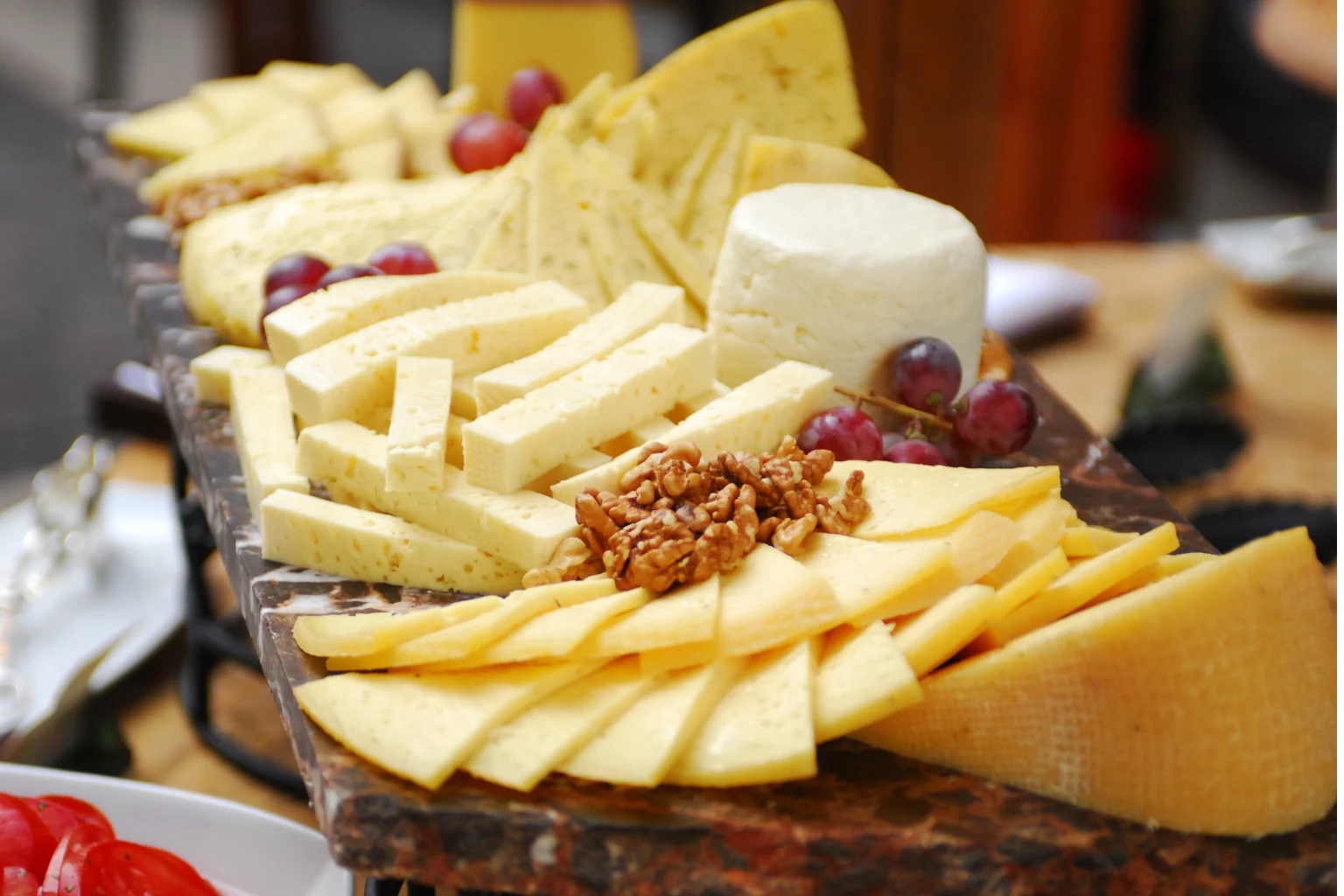
Cheese Tasting Tips: A Simple Guide for Exploring
When we sit down to sample cheese thoughtfully, everything comes alive. Here’s how you can fully enjoy your next cheese tasting session, whether solo or with friends.
1. Let It Warm Slightly
Cold cheese holds back on flavour. Let the slices sit at room temperature for 20 to 30 minutes so the true textures and aromas have time to shine.
2. Use All Your Senses
Look at the colour, shape, and rind. Smell deeply before tasting. Touch it and feel the wax, the goo, or the crumble. Each part tells you something before it reaches the tongue.
3. Taste Light to Strong
Always start with softer, milder cheeses such as a young Gouda or Camembert. Then move on to stronger or aged varieties like blue cheese or aged cheddar. That way, your palate doesn’t get overloaded too early.
4. Explore Across Styles
Try something goat-based, something hard and aged, then maybe a washed rind or blue cheese. Our cut English cheeses are a great way to sample across styles.
And don’t forget about non-dairy friends, we also offer a full selection of vegan cheese for curious palates.
Cheese Pairing Tips: Bring Out the Best
Perfect cheese pairing can turn a small nibble into an unforgettable bite. Whether it’s with wine, chutneys, or olives, there’s a real trick to getting flavours to work together rather than fight.
At The Cheese Shop Nantwich, we recommend browsing our deli antipasti range when creating a cheese board. Salty olives balance creamy cheeses, while sweet chutneys lift earthy ones. Crisp crackers or sourdough give the right crunch and space for complex cheeses to shine.
If you’re new to matching cheese with drinks, follow the flavour strength rule: bold cheeses with bold wines, gentle bries with light whites or sparkling wines. And always taste before you serve, surprises can lead to new favourites.
Discover Flavour With The Cheese Shop Nantwich
From the fresh zest of a young goat’s cheese to the deep crumble of an aged farmhouse cheddar, cheese tasting is a world of flavours waiting to be explored. By exploring how flavour, texture, and balance work together, you’ll start noticing the deeper traits that define a great cheese.
Take your time, try something new, and savour each bite with awareness. Our Artisan Cheeses range is a perfect place to begin discovering unique styles and regional creations you may not have tasted before.
Or join our Cheese Club for regular selections filled with flavour surprises. From soft to hard, mellow to bold, the journey of cheese tasting never grows old.
Let the cheese lead the way, one bite at a time.
FAQs
What is the best way to store cheese after opening?
Wrap cheese in wax paper or baking parchment, then place it in an airtight container in the fridge. Avoid plastic wrap directly on the cheese, as it can make it sweat and spoil faster.
How long should cheese sit before tasting?
Around 20 to 30 minutes at room temperature brings out the full flavours and softens textures, making cheese more enjoyable.
Should I eat the rind on cheese?
That depends on the cheese. Natural rinds like those on brie or camembert are edible and often delicious. Waxy or cloth rinds are usually not meant to be eaten.
What cheese is suitable for vegetarians?
Many artisan cheeses are available with vegetarian rennet. Look for selections from our vegetarian cheese section.
Can I freeze cheese?
Freezing can affect texture, especially in soft cheeses. It’s possible with harder varieties like cheddar, but for the best flavour and texture, fresh is always better.
Start your own cheese adventure today. Explore handcrafted flavours, perfect textures, and the beauty of balance i