Understanding Vegetarian Cheese: Delicious Choices for a Kinder Plate
Cheese is a favourite for many of us, but if you’re following a vegetarian diet, it’s important to know how it’s made. Not all cheese is vegetarian-friendly. While milk is suitable for vegetarians, the rennet used to curdle it often is not. Traditional animal rennet comes from the stomachs of slaughtered calves, which can be a no-go for those avoiding animal by-products.
That’s why vegetarian cheese is growing in popularity. It offers the same richness, textures, and ageing qualities without animal-derived rennet. Instead, these cheeses are made using microbial, plant-based, or fermentation-produced alternatives. At The Cheese Shop Nantwich, we’re proud to offer a wide selection of artisan vegetarian cheeses, each one carefully sourced and clearly labelled, so you can indulge with peace of mind.
The Wonderful Flavour World of Vegetarian Cheese
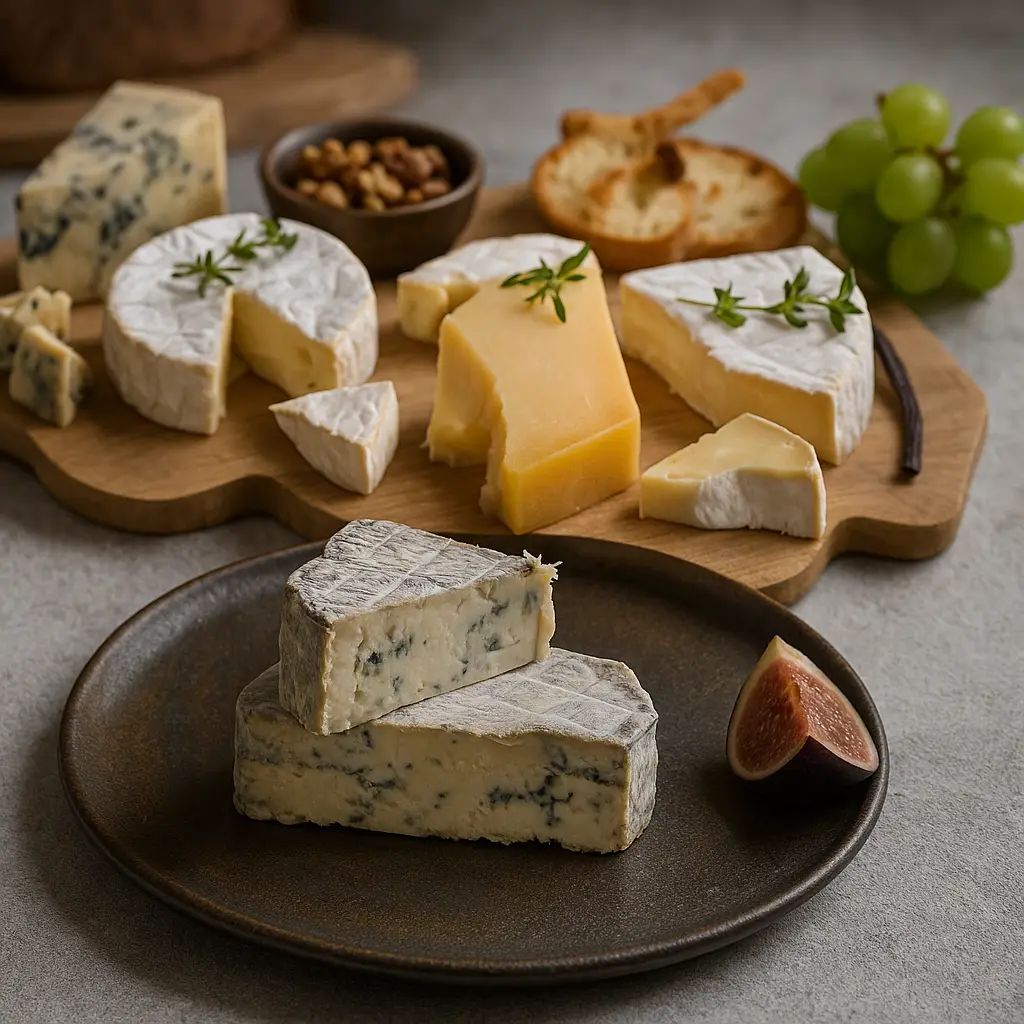
Vegetarian cheese doesn’t mean limited choice. Quite the opposite. You’ll find a wide range of styles and flavours that stand comfortably alongside their traditional counterparts. From firm and crumbly to soft and spreadable, vegetarian cheeses come in every shape and size.
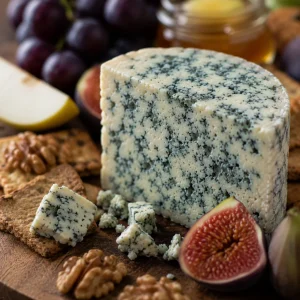
If you enjoy stronger flavours, Nantwich Blue and Barkham Blue provide the creamy tang you’d expect from a good blue cheese. For fans of cheddar, Quicke’s Cheddar has a rich, mature profile that’s as satisfying as any traditional block. And if you love traditionally British cheeses, there’s the locally loved Mrs Kirkham’s Lancashire and red-waxed Bourne’s Cheshire to explore.
Soft cheese lovers can still enjoy the creamy tenderness of Caws Cenarth Brie and the gently fruity Burts Blue, both made without animal rennet. And don’t miss Spanish staples like Manchego, or punchy Continental options like Shropshire Blue and Colston Bassett Stilton. Each has its own depth of character while being suitable for those following a vegetarian diet.
How Animal-Free Rennet Makes Cheese Vegetarian-Friendly
The big difference lies in the rennet. Traditional cheeses are typically made using animal rennet, which is collected from the stomach lining of a young calf. For vegetarians, this source understandably causes concern. Thankfully, cheese producers have developed alternatives that do the job just as well without the need for animal sacrifice.
Animal-free rennet might come from microbial enzymes, moulds, or vegetable sources such as artichokes or thistles. Some cheesemakers also use lab-cultured fermentation-produced rennet. These substitutes allow curds to form just like animal rennet does, giving cheesemakers freedom to stick to traditional recipes while still making vegetarian cheese.
But creating vegetarian cheese still takes skill. Slight changes in rennet types can alter the flavour, texture, or maturity of the cheese, so artisan cheesemakers have fine-tuned their methods to ensure there’s no compromise. At The Cheese Shop Nantwich, we taste and test to check that quality, richness, and flavour remain stellar.
Animal-Free Rennet and the Artisan Cheese Process
To fully understand how vegetarian cheese holds its own, it helps to know a bit about the cheesemaking process. Cheese begins with milk, which is warmed and treated with rennet to form curds. These curds are then pressed, aged, and sometimes wrapped or treated with wax and herbs.
Cheeses like Stinking Bishop rely on signature washes and ageing environments to achieve their powerful aromas. A same-process vegetarian version can be made without any change in taste. The secret is choosing the right animal-free rennet and monitoring the affinage, or ageing, with care.
Whether it’s a classic aged cheddar or a soft-ripened brie, the chemistry may vary slightly, but skilled cheesemakers have adapted well. Some examples of exquisite results include creamy and nutty Old Winchester or smoky and mellow Oak Smoked Cheshire, both hugely popular options that use vegetarian-friendly methods.
Vegetarian Cheese and the Ethics Behind the Choice
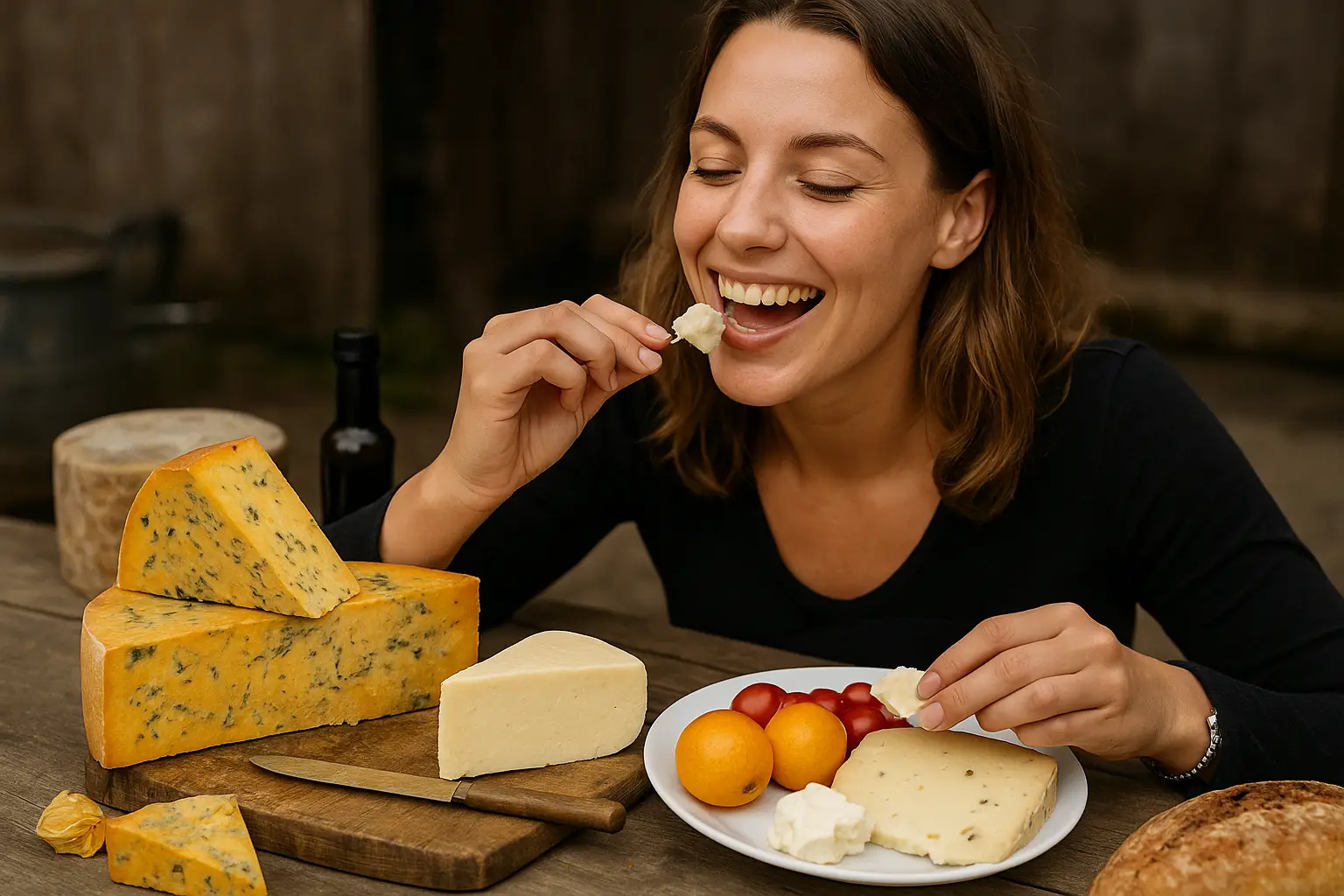
Many people choose vegetarian cheese because it aligns better with their views on animal welfare. It’s one way of enjoying traditional foods without contributing to the killing of animals. Using animal-free rennet also means supporting more sustainable and ethical farming practices.
The environmental toll of meat is well-known, but fewer people realise that traditional dairying methods can have implications too. While vegetarian cheese still comes from milk, choosing varieties that leave out animal rennet reduces the demand for products involving slaughter.
From a health angle, vegetarian cheeses don’t differ much from their animal rennet equivalents. You’re still getting rich sources of calcium, protein, and healthy fats. Whether you’re adding some Brie de Meaux to your cheeseboard or crumbling Crabtree into a salad, vegetarian cheese stands tall nutritionally.
Finding and Identifying Vegetarian-Friendly Options
It’s easier than ever to choose vegetarian cheese when shopping. At The Cheese Shop Nantwich, we take the guesswork out by clearly labelling vegetarian options and confirming the rennet type used. When buying elsewhere, checking labels and asking questions helps. Look out for phrases like “vegetarian rennet,” “microbial enzymes,” or “suitable for vegetarians.”
Some cheeses have traditional ties to animal rennet, but many of these now have updated recipes. Packaged cheeses often display certification stamps or animal-free logos that make shopping even easier. Artisan offerings like Garstang Blue are known for using vegetarian rennet while keeping that deep, creamy character intact.
Why More Cheesemakers Are Switching to Vegetarian Cheese
The growing demand for vegetarian cheese is no fad. More cheesemakers are realising that they don’t have to compromise heritage, flavour, or quality to switch to animal-free rennet. By respecting both tradition and changing consumer expectations, the cheese world remains creative and open to all.
At The Cheese Shop Nantwich, many of the curiosities and seasonal gems we offer are vegetarian. The flavours range from buttery soft to sharp and powerful, and you’ll never feel like you’re missing out. Supporting artisan producers who choose ethical ingredients also feeds directly back into the communities that care about responsible food.
FAQs
Is all cheese vegetarian?
No. Many traditional cheeses still use animal-derived rennet. Always read labels or ask if you’re not sure.
What is rennet made from in vegetarian cheese?
Vegetarian cheese uses microbial, plant, or fermentation-based rennet instead of the kind taken from calves.
Does vegetarian cheese taste different?
Not generally. Most people can’t taste any difference. Artisan producers work hard to keep the flavour and texture true to type.
Are soft cheeses suitable for vegetarians?
Many are, such as Caws Cenarth Brie and Burt’s Blue, which use animal-free rennet.
Can children eat vegetarian cheese?
Absolutely. Vegetarian cheeses are great for all ages, and removing animal rennet makes them appealing for more dietary needs.
Enjoy the Rich Taste of Artisan Vegetarian Cheese with Confidence
Choosing vegetarian cheese opens up a world of flavour and kindness without compromise. Whether you’re in search of punchy blue cheeses like Barkham Blue, mellow aged varieties like Old Winchester, or creamy soft options like Brie de Meaux, The Cheese Shop Nantwich has you covered.
Treat your taste buds and your conscience by exploring our artisan vegetarian cheese selection today. Every wedge and round is chosen with care, flavour, and ethics in mind. Ready to dig in?
Discover your next favourite cheese, and find out just how satisfying animal-free rennet can be.