12 Hospital Street, Nantwich, CW5 5RJ
01270 620799

12 Hospital Street, Nantwich, CW5 5RJ

Cows MilkCut CheeseItalianOrganic

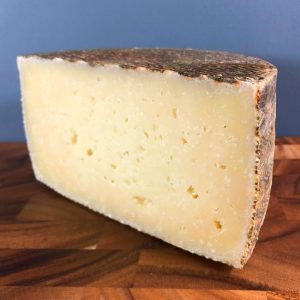
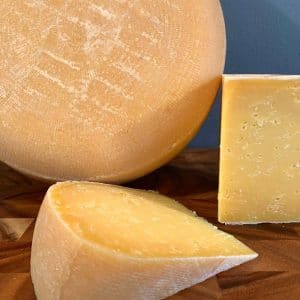
PDO Parmesan Reggiano

Parmigiano Reggiano or Parmesan cheese as it is called in English, is considered to be the King of all Italian cheeses and quite rightly so.  Today, it is produced by various producers. However, PDO (Protected Designation of Origin) states that for a cheese to be named as a Parmesan, it has to be produced from cows grazing on fresh grass and hay within the Parma, Reggio Emilia, Modena, Mantua (partly) and the Bologna (partly) regions of Italy.   The unpasteurised milk is poured into copper-lined vats which are then heated evenly and contribute copper ions begin to form within the cheese.  This is typical of all Italian cheeses.  A starter culture is then added and the temperature raised to between 33–35°C before animal rennet is stirred into the mixture and then left to stand. The cheese maker then carefully controls an increase in temperature to 55 °C (131 °F). The curd is left to settle for 45–60 minutes, after which time the whey is drained away.  This leaves a compacted curd which is then transferred into a piece of muslin and divided between two molds.  There are 1,100 litres  of milk per vat, producing two cheeses with each one weighing around 45 kilograms.   The remaining whey in the vat was traditionally used to feed the pigs from from where Prosciutto di Palma was originally produced.  This PDO Parmigiano Reggiano is matured forum to 40 months, unlike Parmesan which only matures for up to 24 months.  This extra time produces a PDO Parmigiano Reggiano that has a taste which is deeper with a slightly more grainy texture and body.  This makes it ideal for the cheeseboard as opposed to grating over pasta!.
Choose your wedge
cut fresh to order

Tasting Notes

Ingredients: Cheese; Milk (Cow, Goat, Buffalo or Ewe’s Milk), and may contain; Salt, Starter Culture, Truffle, Bacteria, Rennet, Annatto. Decoration may contain Fruit, Nuts And Foliage. Produced by an Artisan that may also handle nuts, sesame, mustard, celery seeds and dairy products.
“We keep every wheel in our own cellar until it’s ready - not a day before. That’s the only way to get this taste.”
Nick Birchall, The Cheese Shop, Nantwich