Discovering Emmental Cheese: A Tasty Swiss Classic
When people think of Swiss cheese, Emmental is usually the first name that comes to mind. With its pale-yellow colour, smooth texture and those famous holes (also called “eyes”), Emmental cheese stands out, not just in appearance but also in flavour. Whether you’ve tried it in a sandwich or melted in a fondue, this world-renowned cheese has earned its place on cheese boards across the globe.
We’re big fans of Emmental here at Cheese Shop Nantwich. Its mellow, nutty taste and satisfying texture make it a firm favourite with many of our customers. Let’s explore what makes Emmental cheese so special, where it comes from, how it’s made and why you’ll want to keep a wedge or two in your fridge.
From the Green Fields of Switzerland
Emmental cheese takes its name from the Emme Valley (Emmental) in the Swiss canton of Bern. This lush area, full of rolling hills and green pastures, has been home to dairy farms for centuries. Emmental has been made here since the 13th century, and its methods have been passed down through generations.
Traditionally, Emmental was produced in copper vats, using raw cow’s milk from local herds. These cows grazed in alpine meadows during summer, which gave their milk an especially rich, creamy quality. That milk, full of natural goodness, was packed with the flavour that gives Emmental its signature taste.
Today, many producers stay faithful to these traditional methods. That means you’re still getting a cheese that connects you to the past, one bite at a time.
What Makes Emmental Unique?
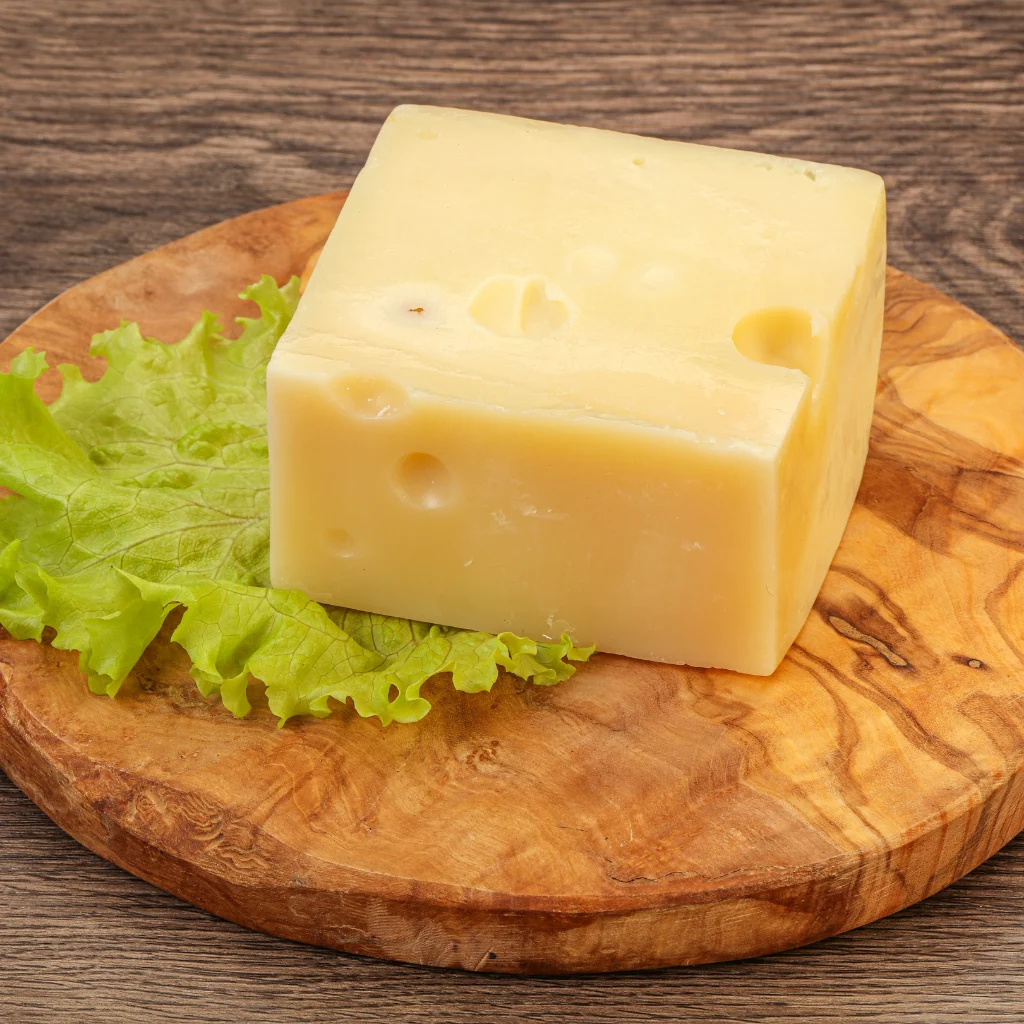
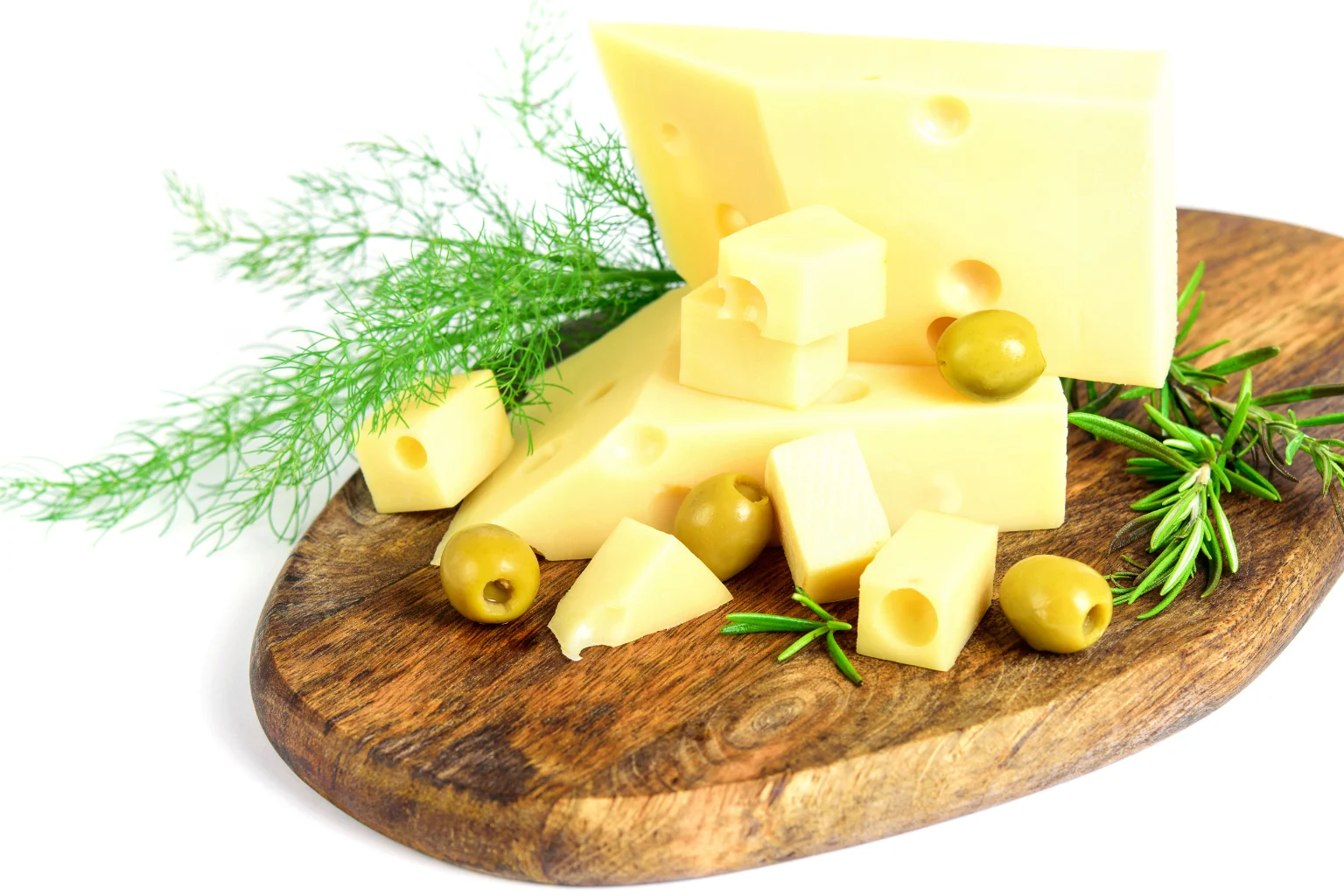
The first thing you’ll notice about Emmental is the holes. These eyes are formed during the ageing process by carbon dioxide, released by bacteria added to the cheese. They’re not just for looks; they tell you the cheese has been made using natural fermentation. Properly aged Emmental has large, well-rounded holes that are evenly spread throughout the block.
The flavour of Emmental is mild yet distinctive. It has a sweet, nutty taste, often with a little fruity note. Because of its long ageing process, typically between two and eighteen months, the older the cheese, the stronger the flavour. At around 12 months, it develops more complexity but still stays smooth.
The texture is firm yet elastic. It melts easily, making it great for cooking, especially in hot dishes like gratins and fondues. Once you try it, you’ll find it amazingly versatile.
Cooking with Emmental Cheese
Emmental isn’t just a cheese to snack on, although that’s perfectly fine too. One of the best things about Emmental is how wonderfully it melts. That makes it perfect for hot dishes and layered meals where you want those great gooey, cheesy bites.
Here are just a few ways we like to enjoy it:
- Fondue: Mix Emmental with Gruyère and white wine in a fondue pot for a warming dish perfect for sharing on chilly evenings.
- Croque-monsieur: A French toasted ham and cheese sandwich topped with béchamel sauce. Emmental makes it truly shine.
- Pasta bakes: Add grated Emmental to lasagne or pasta bakes for layers of flavour that melt beautifully.
- Cheesy omelettes: Sprinkle some in your breakfast omelette for a creamy, nutty flavour boost.
- Tartiflette: A French Alps-style potato dish full of bacon, onions, cream and, yes, loads of melty Emmental.
If you’re ready to get cooking with Emmental, you can visit the Cheese Shop Nantwich for freshly cut and properly matured varieties.
How Is Emmental Cheese Made?
Making Emmental is an art. The cheese is traditionally made with raw cow’s milk, which contains bacteria that are part of the ripening process. Once the milk is warmed and rennet is added, it thickens and forms curds. These curds are then cut, stirred, and heated.
Next, the curds are placed into moulds and pressed to remove any liquids. The cheeses are soaked in brine, a saltwater solution, for flavour and to help build the rind. After that, they head to the ageing cellar.
The magic happens here. The cheese is kept at a certain temperature and humidity to let special bacteria do their work. These bacteria digest the milk sugars and give off carbon dioxide, creating the famous holes. At the same time, flavours build, and the cheese becomes smoother and stronger-tasting.
Some Emmental cheeses are aged for a few months, while others can mature for up to a year or more. Longer ageing leads to stronger flavour and fewer holes, since the gases have more time to escape.
Emmental vs. Other Cheeses
Many people get Emmental confused with other Swiss cheeses like Gruyère. While they can look similar, especially when melted, they have different flavour profiles and textures.
- Emmental is nutty, slightly sweet, and milder. It has large holes and a firm but elastic feel.
- Gruyère is deeper, earthier, and saltier. It has smaller holes or none at all and a denser texture.
- Jarlsberg (from Norway) is often mistaken for Emmental because it also has holes and a similar texture, but its taste leans more buttery and less nutty.
- Swiss cheese in the UK or US often refers to processed versions of Emmental. These might lack the full flavour of the real deal, but still melt well in sandwiches and burgers.
If you’re not sure which one suits your taste, try sampling different cheeses from a trusted specialist like the Cheese Shop Nantwich. Our team loves helping people discover new favourites.
FAQs
Why does Emmental have holes?
The holes come from carbon dioxide gas released by bacteria during the fermentation process. As the cheese ages, the gas creates bubbles that form holes.
Can I eat the rind?
Natural rinds on Emmental are edible, but some cheeses have wax coatings or rinds treated with chemicals to control bacteria. Always check the packaging or ask your cheesemonger.
What wines go well with Emmental?
Dry white wines like Riesling or Sauvignon Blanc pair nicely. For red wine fans, try a light Pinot Noir. If you’re feeling adventurous, you can also enjoy it with sparkling cider or wheat beer.
Is Emmental vegetarian?
Traditional Emmental uses animal rennet, but vegetarian-friendly versions exist. Check labels or ask when shopping to be sure.
How should I store it?
Wrap Emmental in wax paper or cheese paper, then place it in a loose plastic bag or sealed container in the fridge. Avoid wrapping it directly in plastic, which causes it to sweat. It should keep for a week or two once opened.
Is there a lactose-free version?
Most aged cheeses, including Emmental, have very low levels of lactose. If you’re lactose intolerant, you might still be okay with Emmental, but always check with your doctor.
Where to Buy Quality Emmental Cheese
Not all Emmental is created equal. The best-tasting Emmental comes from skilled cheesemakers who follow traditional methods. At Cheese Shop Nantwich, we source cheeses from producers who take care in their ageing processes and use quality milk.
When you buy from a specialist like us, you also get great advice, tasting notes and the chance to discover cheeses you might not find in a supermarket aisle. Many of our loyal customers rave about our Emmental, whether they’re enjoying it on a biscuit or melting it into their favourite dish.
Cheese That Connects Traditions and Taste
Emmental isn’t just another cheese on the board. It’s full of history, packed with character, and offers a smooth, nutty taste that’s easy to enjoy. Its versatility in cooking, hearty texture and iconic holes help it stand out from the crowd.
We’ve loved sharing a bit of Emmental’s story with you, and we hope you’re ready to try some for yourself. Whether you’re building the perfect fondue, layering up a baguette, or putting together a cheese board for guests, Emmental brings a lot to the table.
Order your Emmental today from the Cheese Shop Nantwich and taste the heart of Switzerland in every bite. Let’s make every cheesy moment a delicious one.