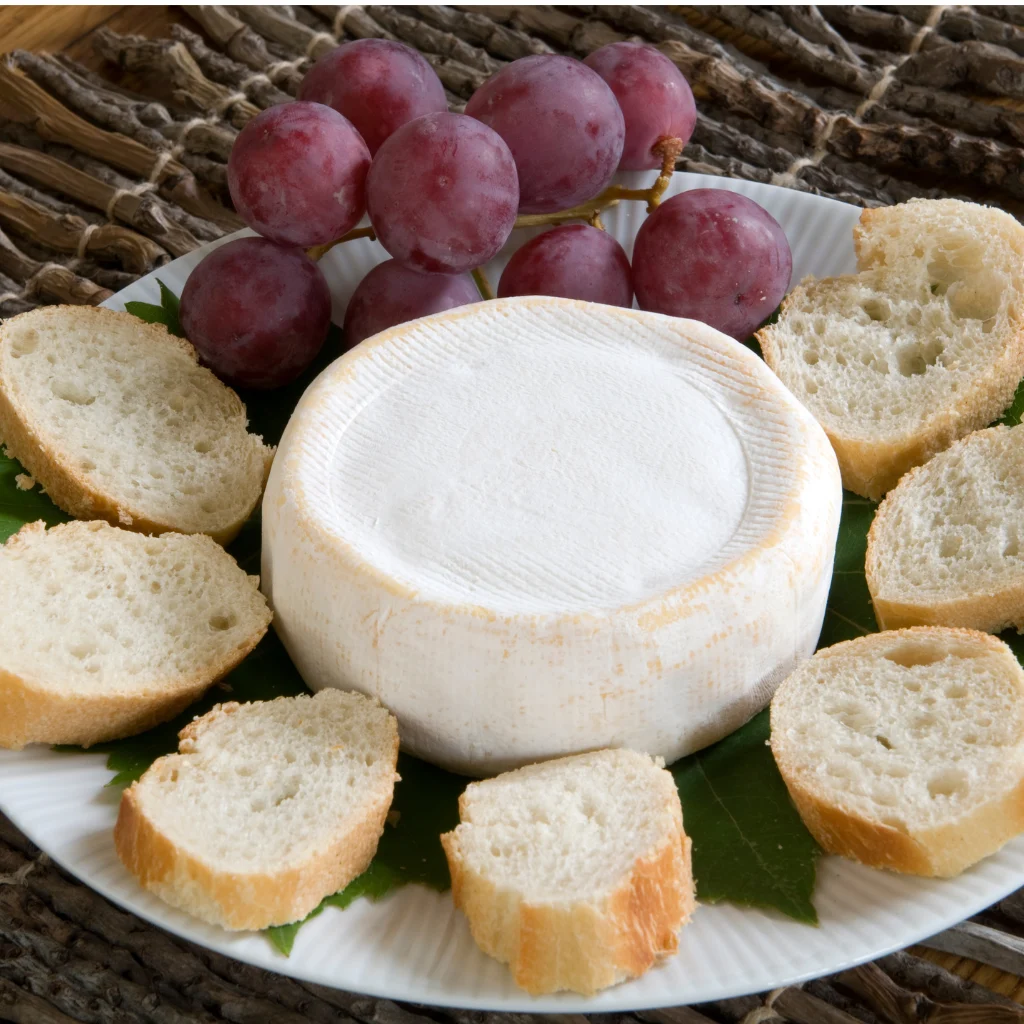
Explore the Rich World of French Alpine Cheeses
France might be famous for its wines and pastries, but those mountains in the southeast of the country also hide a treasure trove of cheeses. When we think about French Alpine cheese, Reblochon often jumps to mind first. It’s used in countless dishes like tartiflette and brings buttery smoothness and a gentle aroma to the table. But let’s go further. There’s a whole world of French Alpine cheeses waiting to be enjoyed, and some of the very best ones are lesser-known.
If you love trying new cheeses or looking for traditional ones to use in home cooking, then French alpine cheeses have so much to offer. At Cheese Shop Nantwich, we adore passing on these culinary gems, and we’ve seen how much our customers enjoy their flavours. So let’s take a tour through the mountains of Eastern France to find some favourites often overlooked beyond Reblochon.
Why French Alpine Cheeses are So Loved
The rugged valleys and crisp air of the Alps produce milk full of flavour. Herds graze in high pastures with grasses and herbs that help give alpine cheese its tasting notes. This strong base is only one reason these cheeses are so special.
The methods that go into creating them are traditional, passed through generations. Alpine cheese is generally rich, creamy and long-lasting. Unlike softer cheeses that spoil quickly, many of these are designed to hold for storage and ageing. That’s why many French families keep wedges of these cheeses around in their kitchens for both cooking and eating at any time.
Beyond Reblochon: Hidden Treasures of the Alps
Reblochon might be the name everyone knows, but there’s so much more. Take Beaufort, for example. Hailing from Savoie, it features in many Alpine recipes, and its large, firm wheels last for months. Its slightly nutty taste blends beautifully with potatoes, onions and lardons, making it ideal in comforting bakes.
Another gem is Tomme de Savoie. It’s semi-soft and has a tangy, earthy note, often eaten simply with bread. The grey-brown rind often makes it look rustic, but inside it’s creamy with a tight crumb. It’s a great snack on a chilly evening.
For those who dare stronger cheese, Abondance offers a punchier experience. Less fatty than some but deeply complex, Abondance varies by producer and sometimes surprises with a hint of pineapple.
Classic French Cheeses in Recipes and Everyday Meals
A lot of these mountain cheeses pair perfectly with other foods. Beaufort in fondue or croque monsieur, or melted over roasted vegetables, brings a rich but gentle flavour. Try Mont d’Or baked in its wooden box. It gets gooey and begs for crusty bread.
If you’re thinking of pairing cheese with meats, salamis or even fruit, some softer alpine cheeses offer smoother notes. Have you looked at the range of French cheese from Cheese Shop Nantwich? You’ll find aged, soft, and blue cheeses that each bring their own strengths.
Let’s not forget Crottin. These small goat’s milk cheeses start quite moist and light, but become fuller and more crumbly over time. You can check out this Crottin AOC, which goes beautifully in warm salads or grilled with honey.
Creamy Delights for a Softer Touch
Of course, not every alpine cheese is hard or grown in mountain caves. Some of the smoothest treats come from riper, gentler environments.
Brie de Meaux is one of the most well-known bries from France, and while not strictly “Alpine,” it’s often found with or alongside Alpine varieties on any good French cheeseboard. Its bloomy white rind and buttery, mushroomy inside make it a dream on toast, or gently warmed to spread over cooked vegetables or eggs.
Delice de Bourgogne should not be missed either. Its triple-cream richness makes it incredibly soft and luxurious. It melts in the mouth and needs only a fresh fig or a grape to bring out its potential.
Some of these cheeses may not have their roots high in the Alps, but they often grace Alpine meal tables due to their soft textures and pairing strength with stronger Alpine cheeses.
Strong, Blue, and Beautiful
Not all alpine cheeses are delicate. Some pack a bold taste that blue cheese lovers chase. One shining example is Fourme d’Ambert AOC.
This is one of France’s oldest cheeses with a long, cylindrical shape. Milder than Roquefort but still distinct, it offers a lightly veined blue interior and a slightly sweet note. This makes it a great entry point if you’re looking to try blue cheese without being overwhelmed.
It pairs well with walnuts, honey, or even a very dark chocolate. We love slicing some Fourme d’Ambert over a salad with apple or pear slices for a contrast of sweet and savoury.
A Cheese Board to Remember
If you’re thinking of setting up an outstanding French cheeseboard that doesn’t rely only on Reblochon or Camembert, try mixing Alpine styles.
Start with a gentle Tomme de Savoie as your mild option. Add a small chunk of strong Abondance or Beaufort. Follow with delicate Brie de Meaux to please soft-cheese fans. Finish with a round of Crottin AOC and a slab of Fourme d’Ambert to give some stronger hits. Dot the board with grapes, almonds, and good, crusty bread or crackers.
At Cheese Shop Nantwich, we believe that a cheeseboard should always tell a little story, and one best told when the cheeses are varied, balanced and from top producers.
Storing and Serving Alpine Cheeses
If you’re planning to serve French Alpine cheese, make sure to bring it to room temperature before eating. The flavours often only appear when they’re not cold. Keep your cheese wrapped in paper or a breathable material, not plastic, to allow it to ‘breathe’.
You can wrap hard cheeses in beeswax wraps or store them in wooden boxes. Soft cheeses might need little trays to collect moisture if you’re keeping them for more than a few days. A cheese dome or dedicated box in your fridge is a great solution, too.
And remember: while many alpine cheeses melt beautifully, some are just best eaten fresh with good bread and nothing else.
FAQs
What is the best melting cheese among French Alpine cheeses?
Beaufort and Reblochon both melt very well. Mont d’Or is often baked and spooned over bread or potatoes. Tomme de Savoie also works in warm dishes, but may hold its shape more.
Are all French Alpine cheeses made from cow’s milk?
No, not all. While many like Reblochon, Beaufort, and Abondance are from cow’s milk, some like Crottin are made from goat’s milk. The flavour and texture can differ depending on the type of milk.
Do French Alpine cheeses always have strong flavours?
They can range from very mild to strong and punchy. Beaufort and Tomme de Savoie are milder, while Fourme d’Ambert brings a stronger blue cheese character.
Can I get French Alpine cheeses outside of France?
Yes, absolutely. At Cheese Shop Nantwich, our range of French artisan cheeses includes many you would otherwise only see on a French mountain table.
Try French Alpine Cheeses Today
French alpine cheeses are more than just Reblochon. From the nutty and smooth Beaufort to the intense blue of Fourme d’Ambert, and the creamy luxury of Delice de Bourgogne, there’s a cheese for every taste and recipe.
Whether you’re cooking up something traditional like tartiflette or building the perfect cheeseboard for guests, these cheeses deliver real mountain magic. And the great news? They don’t have to be hard to find.
We’ve got a rich selection ready for you at the Cheese Shop Nantwich. Browse our handpicked French cheese collection today and bring home a taste of the Alps. Happy cheese tasting!