What Is Stilton Cheese?
Stilton is a type of blue cheese made only in specific counties in England. It carries a protected status, which means it must be made in Derbyshire, Leicestershire, or Nottinghamshire to legally carry the name “Stilton.” This gives the cheese a sense of place and strong ties to British dairy traditions.
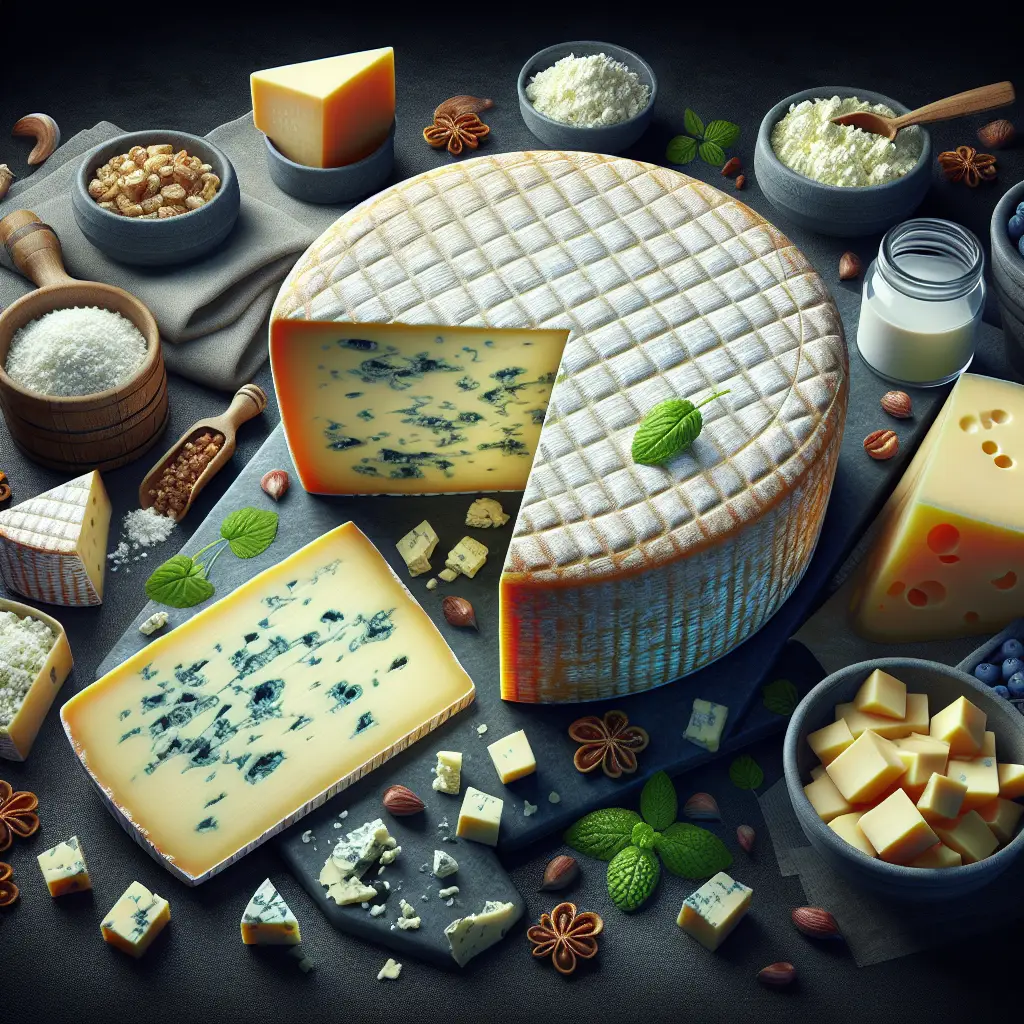
Made from pasteurised cow’s milk, Stilton is known for having a rich and tangy flavour. It’s creamy yet crumbly and full-bodied but never too sharp. The blue veins running through the cheese are created by piercing it with stainless steel needles during the maturing process. This allows air to enter, encouraging the growth of the Penicillium roqueforti mould that gives the cheese its signature look and taste.
A Cheese with Protected Origins
Part of what makes Stilton so special is its protected designation of origin (PDO). That means only six dairies across three counties are allowed to produce it using traditional recipes. These dairies follow strict standards, sticking to time-honoured methods and sourcing milk locally.
The PDO status is a bit like a guarantee to the customer. When you see a wedge of Stilton with that label, you know it’s made the proper way and comes from the right region. A lot of care and tradition are wrapped up in each slice of this cheese.
You can browse our selection of hand-cut British blue cheeses by visiting our blue cheese collection.
How Stilton Cheese Is Made
The process of crafting Stilton cheese today is much like it was centuries ago. Though some tools and equipment have been modernised, the basic principles haven’t changed.
Here’s a simple step-by-step guide to how it’s made:
- Milk Collection – Fresh, local cow’s milk is delivered daily to the creamery.
- Warming and Adding Cultures – The milk is gently warmed, then rennet and starter cultures are added to help it curdle.
- Curd Cutting – Once the milk has turned to curd, it’s cut to release whey.
- Moulding and Draining – The curd is then placed into cylindrical moulds and left to drain under its own weight for several days, turned regularly for even drainage.
- Salting – Once out of the moulds, salt is rubbed into each cheese wheel to draw out more moisture and flavour the rind.
- Maturing and Piercing – Around six weeks into the ageing process, the cheese is pierced with needles to allow air in. This helps those beautiful blue veins grow inside.
- Ripening – The cheese is matured for at least nine weeks. During this time, it develops its full flavour and creamy-but-crumbly texture.
That final maturing stage is where magic happens. It’s where it gains depth and character, ideal for cheese connoisseurs and first-timers alike.
Enjoying Stilton on Your Plate
Stilton is versatile in the kitchen. Strong and creamy, it brings bold flavour to dishes ranging from simple snacks to hearty meals. Whether spread on crackers, crumbled into soup or stuffed into dates wrapped in bacon, it adds a luxurious twist.
Here are our favourite ways to enjoy Stilton:
- Cheeseboards: Pair with fruits like pears, figs or apples for balance.
- Salads: Crumble into a mixed salad with walnuts and a balsamic glaze.
- Sauces: Melt it down with a splash of cream for a rich steak sauce.
- Pastry Dishes: Mix into quiches, tarts, or Stilton and mushroom pie.
- Soups: Adds depth to broccoli or leek soups when blended in.
It also makes a tasty topping when grilled onto mushrooms or baked into bread dough.
If you’re in the mood to try more artisanal blue cheeses with different flavour tones, don’t miss Fourme d’Ambert AOC, a milder, mellow option from France that has a creamy bite.
Best Foods and Drinks to Pair with Stilton Cheese
Good cheese deserves good company, and pairing Stilton with the right food or drink can make all the difference. Thanks to its salty and tangy flavours, it pairs well with both sweet and savoury.
Stilton Loves Sweet
Sweet and salty bring out the best in each other, which is why Stilton pairs so well with:
- Rich fruit chutneys
- Ripe grapes or fresh figs
- Dates or dried apricots
- Crisp apples or mellow pears
You can stack it all up on a cracker or cut a wedge and drizzle a little honey over the top.
Ideal Drinks to Go With Stilton
When it comes to drinks, stay classic. One of the most well-loved combinations is Stilton with a glass of port. The sweetness of the wine balances the salt in the cheese. Think about:
- Tawny or ruby port
- A rich Madeira
- Sweet cider or dessert wine
- Bold red wines like Shiraz or Cabernet
- Stouts and dark ales
Teas, especially Earl Grey, also go surprisingly well with a slice of this cheese, and are perfect for a thoughtful afternoon snack.
Stilton Through the Seasons
Stilton can be enjoyed any time, but it truly shines during the winter months. It’s a favourite on Christmas cheeseboards and holiday platters. Thanks to its creamy and warming flavour, it brings comfort when the weather is cold.
In summer, it works just as well in lighter dishes like salads or stirred into summer vegetable bakes.

Whether served at a family dinner or as part of a party platter, its bold blue touch guarantees flavour that doesn’t go unnoticed.
Where to Buy Stilton Cheese
You don’t have to travel to the dairy to enjoy real Stilton. You can visit your local artisan cheesemonger or shop online. At Cheese Shop Nantwich, we offer carefully selected wedges of quality Stilton and other British blue cheeses that hit all the right taste notes.
If you’re building a cheeseboard or experimenting with recipes, check out our full cut blue cheese range for something to suit every palate.
All our products are cut fresh, wrapped securely, and sent to your door, so you can enjoy the best with no fuss.
FAQs
Is there a white Stilton cheese?
Yes. White Stilton is a mild, crumbly cheese without the blue veining. It’s often blended with fruit like cranberries or apricots and served on sweet biscuits.
Can I cook with Stilton cheese?
Absolutely. Stilton melts well and blends into sauces, soups, and pies. It adds richness and character to cooked dishes.
Is Stilton made with raw milk?
No. The PDO rules require Stilton to be made with pasteurised cow’s milk.
How do I store Stilton cheese?
Keep it wrapped in waxed or parchment paper, then inside a sealed container in the fridge. It will last several weeks. Let it come to room temperature before serving for the best flavour.
Can I freeze Stilton?
Yes, but it may get crumbly once defrosted. It’s fine for cooking after freezing, but less ideal for cheese boards.
Stilton: Strong, Creamy, and Full of British Charm
Stilton isn’t just cheese. It’s a story of heritage, regional pride, and craft. With its blue veins, creamy body, savoury punch, and endless pairing options, it’s easy to see why Stilton remains a classic part of British cheese culture.
Whether you’re sharing it with friends or savouring it solo, Stilton always makes a statement. It works just as well on a rustic slice of bread as it does in a gourmet dish.
Explore the delicious world of blue cheese at Cheese Shop Nantwich, where we proudly stock true Stilton alongside a wide choice of artisan blues. Visit our online shop and let your cheese journey begin.