The Rich History of Brie Cheese
Brie was first made in the French region of the same name, with records dating back over a thousand years. Once called the “Queen of Cheeses” by Emperor Charlemagne, Brie became a favourite among royalty and nobles across Europe. It eventually made its way to kitchens all over the world.
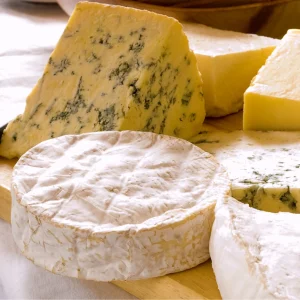
What makes Brie unique is its soft, edible white rind, known as bloomy rind, formed by a mould called Penicillium candidum. This rind adds a slight mushroomy smell and a layer of complexity to the inner creamy centre. The whole experience of eating Brie is not just about taste, but texture and aroma too.
French Brie is traditionally made with unpasteurised cow’s milk, giving it more depth. While some countries use pasteurised milk for safety, the heart of traditional Brie still lies in France. At Cheese Shop Nantwich, we take care in selecting Bries that stick to the original methods.
How French Brie is Made
Making Brie is an art that starts with rich cow’s milk. Cheesemakers gently warm the milk and add rennet to clot it before cutting the curds into smaller pieces. These are carefully ladled into moulds and allowed to drain.
Salt is added to enhance flavour, and the cheese is left to age for around four to five weeks. During this time, the rind forms naturally, thanks to the surface mould. Inside, the cheese softens slowly, turning creamy and rich without losing shape.
This soft-ripening process makes Brie stand out from hard cheeses like Cheddar. The timing has to be just right. Too aged and it gets overly pungent, too young and it’s still firm and chalky. The sweet spot? Creamy yet slightly firm at the core, a balance we aim for in each piece of Brie we sell.
Two Handpicked Brie Varieties You Must Try
Brie comes in several forms, but a few stand out for their excellent character and taste. Two of our all-time favourites are Brie de Meaux and Brie à la Truffe. Let’s explore why these deserve the spotlight on your next cheeseboard.
Brie de Meaux
Brie de Meaux is everything people expect from a French soft cheese. It’s made with unpasteurised cow’s milk and protected by its AOP (Appellation d’Origine Protégée) status. What makes it special? A gentle, nutty flavour with an earthy richness. The centre is creamy but not runny and melts beautifully on the tongue.
This Brie works beautifully with crusty baguettes, grapes, and a glass of chilled white wine or Champagne. It brings a quiet flavour that doesn’t overwhelm, letting you savour each mouthful fully. At Cheese Shop Nantwich, we proudly offer Brie de Meaux as one of our flagship French cheeses.
Brie à la Truffe
Want to try something a little more indulgent? Say hello to Brie à la Truffe. This variety combines the rich creaminess of traditional Brie with a luxurious layer of black truffle and mascarpone in the centre. It’s pure decadence, perfect for those nights when you want to treat yourself or impress guests.
The truffle adds depth with its earthy, garlicky tones that blend smoothly with the cheese’s softness. A small slice of this on a crisp cracker or a gently toasted baguette feels like an entire gourmet experience in one bite.
How to Serve Brie Like a True Cheese Lover
Brie is easier to serve than you might think. It doesn’t need much to shine, but here are some tips to make your Brie moments even better:
- Room Temperature: Always let Brie sit out for about an hour before serving. The flavour and texture improve as it warms slightly.
- Slicing: Don’t cut the tip off; instead, slice the wedge lengthways. This way, everyone gets both the rind and the centre with equal taste.
- Pairings: Brie pairs beautifully with fresh fruit like apples, grapes, pears or figs. Add some honey, chutney, or nuts, and you have a well-rounded cheeseboard.
- Wine Choices: Light and fruity wines like Chardonnay, Pinot Noir or even Champagne balance well with Brie’s creamy profile.
- Baked Brie Idea: Wrap a wheel of Brie in puff pastry, add some cranberry sauce or nuts, bake and enjoy warm for a delightful shared dish.
We love how flexible Brie is, whether you’re enjoying it as a snack, a starter or even dessert.
Cooking with Brie: More Than Just a Cheeseboard Star
Brie isn’t just for nibbling on crackers, it shines in cooking too. Thanks to its soft rind and delightful melt, you can use Brie in many comforting recipes.
Try these easy ideas:
- Melt slices over toasted ciabatta with caramelised onions for a quick lunch.
- Tuck Brie inside chicken breasts with spinach before baking for a creamy surprise.
- Stir chunks into a creamy risotto or macaroni and cheese for next-level comfort food.
- Top pizza with Brie and smoked pancetta for a gourmet twist.
- Make Brie and cranberry puff pastry bites as finger food during the holidays.
These dishes don’t take expert skill. They’re perfect for adding a French twist to your meals with little effort. We always find guests asking us what cheese we used when Brie is tucked into a dish.
Storing Your Brie Properly
Keeping Brie fresh at home means you’ll enjoy it at its best. Here are a few storage notes we often share with our customers:
- Wrap it Right: Keep Brie in its original paper or wrap loosely in wax paper or baking parchment. Avoid plastic wrap as it traps moisture and affects the rind.
- Refrigeration: Store in the vegetable drawer or cheese box, where temperatures stay stable.
- Shelf Life: If it’s a whole wheel, it can last up to a few weeks. Once cut, it’s best eaten within 5 to 7 days.
If your Brie smells too strong of ammonia or starts growing odd-coloured mould, it’s probably time to let it go. But if treated well, Brie stays fresh and delicious for days.
FAQs
What’s the difference between Brie and Camembert?
Both are French soft cheeses with a bloomy rind. Brie often comes in larger wheels and is creamier, while Camembert has a stronger flavour and slightly firmer body.
Can I eat the rind on Brie?
Absolutely, yes. The white rind is edible and part of the classic Brie experience. It adds texture and a mild, mushroom-like flavour.
Is Brie suitable for vegetarians?
Many Bries are made with animal rennet, so always check the label. At Cheese Shop Nantwich, we’re happy to advise and stock vegetarian-friendly options.
Is Brie safe during pregnancy?
Unpasteurised soft cheeses like traditional Brie are usually best avoided during pregnancy due to the risk of listeria. Pasteurised Brie is generally safer, but always check with a doctor.
Can Brie be frozen?
We do not recommend freezing Brie as it affects the texture. If you must, freeze it in small portions for cooking use only, not for cheese boards.
Discover the Joy of Brie with Us
Brie brings elegance to simple meals and adds a soft, creamy touch to cheese boards around the world. From the rustic charm of Brie de Meaux to the luxurious Brie à la Truffe, these cheeses offer the best of French craftsmanship and flavour.
We at Cheese Shop Nantwich are passionate about helping people discover top-quality cheeses. You’ll find lovingly selected soft cheeses and expert advice at cheeseshopnantwich.co.uk, whether you’re building a cheeseboard, looking for cooking inspiration, or trying something new.
Time to treat yourself. Explore our handpicked Brie selection today and taste the difference