Explore the Rich and Tangy World of French Blue Cheese
Let’s take a trip to the heart of France without leaving the comfort of your home. France is known for its delicious cuisine, and when it comes to cheese, it holds one of the top spots globally. Among the country’s most flavourful and exciting cheeses are its blue varieties. These cheeses are bold, tangy, creamy, and often have a story as rich as their taste.
At Cheese Shop Nantwich, we take great pride in offering some of the finest blue cheese selections from France. Whether you’re a dedicated cheese lover or just discovering blue cheese for the first time, you’re in the right place to learn more and find your next favourite.
What Makes French Blue Cheese So Special?
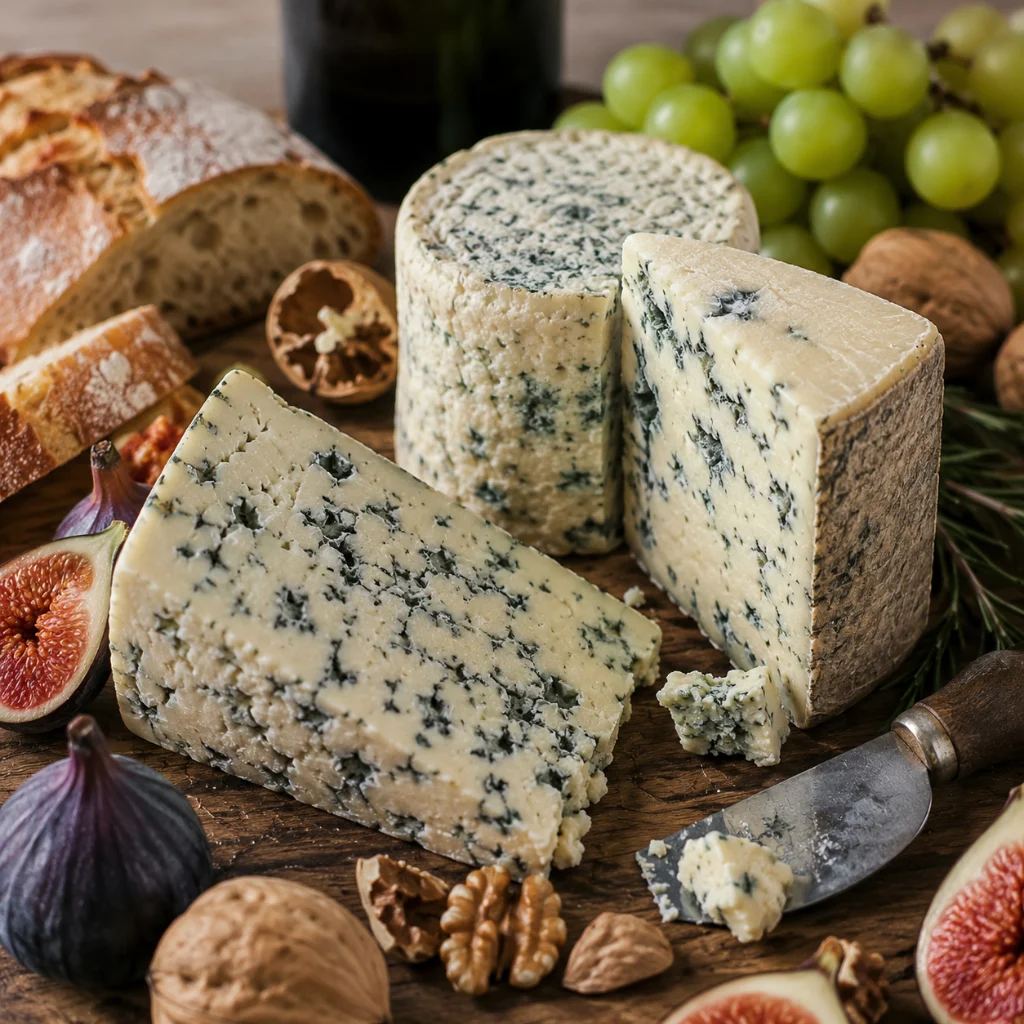
French blue cheeses are crafted by adding specific mould cultures to the cheese, usually Penicillium roqueforti. These blue veins give the cheese its marbled look and tangy taste. The cheeses are aged in caves or controlled environments, where the flavours develop beautifully over time.
One thing we love about these cheeses is how each region in France has its own technique and flavour profile. So, when you taste different blue cheeses from France, you’re not just enjoying food; you’re also exploring regional traditions and incredible craftsmanship.
At our shop, we feature a variety of French cheeses, including some exceptional blue types that you can explore via our curated French cheese collection.
Roquefort – The King of French Blue Cheese
If there’s one blue cheese that France is most famous for, it’s Roquefort. This legendary cheese comes from the caves of Roquefort-sur-Soulzon in Southern France. Made from raw sheep’s milk, Roquefort is known for its creamy texture, ivory body, and strong, salty bite. It has been protected under French law since 1925, which means only cheese matured in these specific caves can be labelled Roquefort.
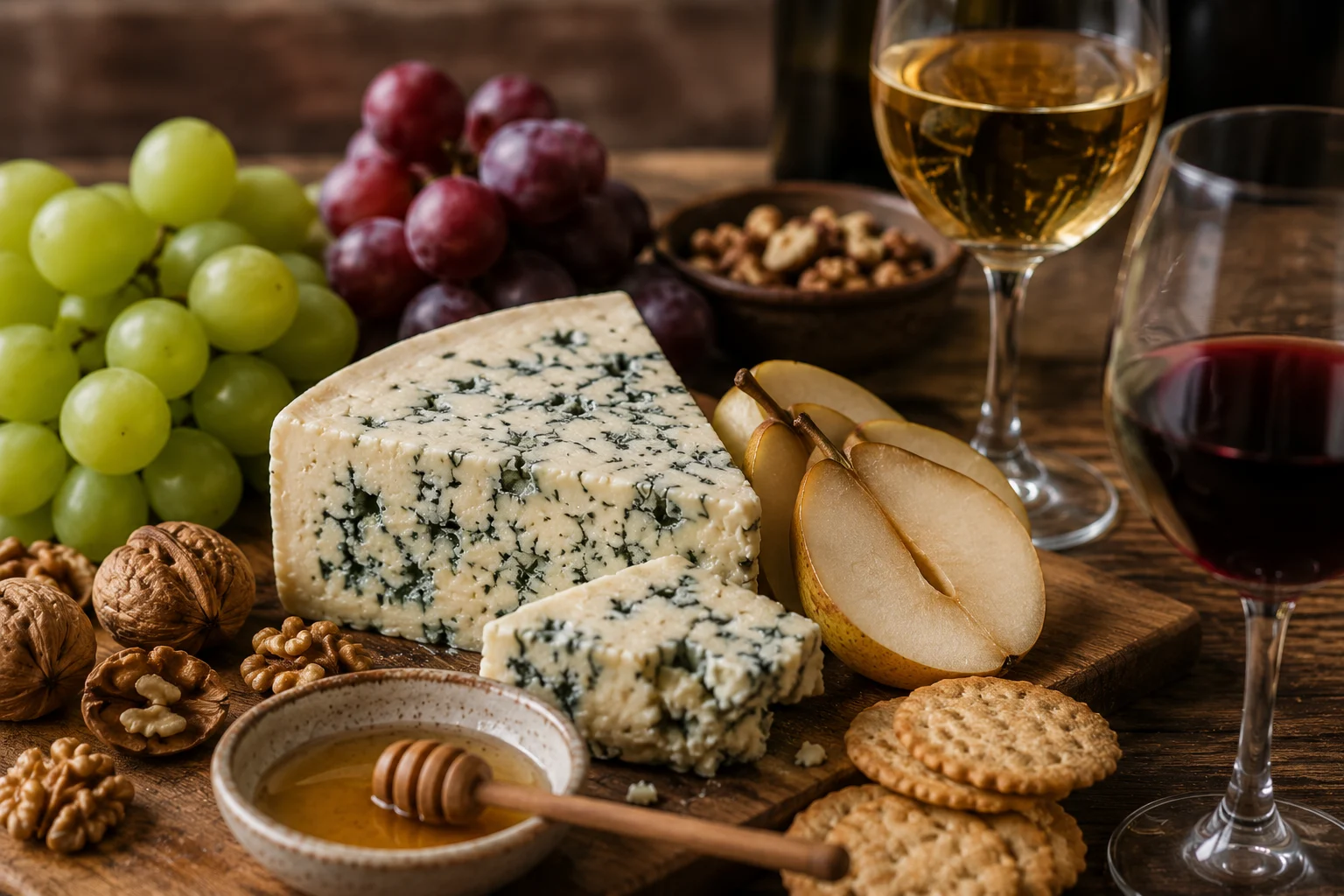
Roquefort’s blue mould is incredibly flavourful. It’s milder than it appears at first, but quickly delivers a complex taste that includes nutty, tangy, and buttery notes. This cheese pairs wonderfully with sweet wines like Sauternes or figs and pears. Try it crumbled on salads, on a cheeseboard, or spread over crusty bread with a drizzle of honey.
If you’re curious about how Roquefort looks, check out this image below:
Bleu d’Auvergne – A Creamier Blue Delight
Another French gem is Bleu d’Auvergne, which comes from the mountainous region of Auvergne. This cheese is sometimes seen as a milder alternative to Roquefort, but is every bit as delicious. Crafted from cow’s milk, it has a creamy, gooey texture once it reaches full maturity.
Thanks to its rich and buttery consistency, Bleu d’Auvergne spreads easily, making it wonderful on crackers or in sauces. It’s less salty than Roquefort and has gentle earthy notes. We love it with crusty bread, blended into mashed potatoes or melted on a burger. If you haven’t tried French blue cheese before, this one makes a great starting point.
We keep it stocked at Cheese Shop Nantwich, and it continues to be a favourite among our regulars.
Fourme d’Ambert – France’s Oldest Blue Cheese
Fourme d’Ambert is one of France’s oldest blue cheeses, dating back to Roman times. What makes this cheese stand out is its gentle blue character and tall cylindrical shape. It has a firm yet smooth texture and is produced in the Auvergne region from cow’s milk.
Because Fourme d’Ambert is so mellow and balanced, it’s ideal for those who want the flavour of blue cheese without being overwhelmed by it. It’s milder than Roquefort but still delivers that wonderful creamy kick that makes blue cheese so distinct. Try it with walnuts, apple slices, or melt it into a rich pasta sauce.
We often recommend this cheese to customers who are dipping their toes into the world of French blue cheese for the first time.
Culinary Uses: Cooking with French Blue Cheeses
French blue cheeses are more than just additions to a cheeseboard. Their versatile flavour makes them stars in both traditional and creative recipes. Because of their bold taste, you only need a small amount to enrich a dish.
Here are a few of our top ways to enjoy French blue cheese in cooking:
- Salads: Crumble Roquefort or Bleu d’Auvergne into a fresh salad with pears, walnuts, and a honey vinaigrette.
- Pasta and Risotto: Stir Fourme d’Ambert into hot pasta sauce or risotto as a flavourful finish.
- Cheese Sauces: Melt over steaks, burgers, or steamed vegetables.
- Tartlets and Pies: Mix into quiches or savoury tarts for a punch of flavour.
The range of textures and strengths across different cheeses means you’ll always find one suitable for whatever you’re making.
Blue Cheese Pairings: Wine, Fruit and More
Pairing blue cheese with the right partners can take your tasting experience to the next level. We have tried dozens of combinations at Cheese Shop Nantwich, and here are some favourites:
- Sweet Wines: Sauternes, Port, or late-harvest whites pair beautifully with the saltiness of Roquefort.
- Red Wines: For Bleu d’Auvergne, try a fruity red like Pinot Noir or Beaujolais.
- Fresh Fruit: Grapes, pears, and apples cut through the richness of the cheese.
- Nuts and Honey: Walnuts and almonds pair nicely, and a drizzle of honey balances the salt.
If you’re planning a cheeseboard, adding one or two French blue cheeses along with some fruit, nuts, and bread offers a fantastic mix of flavours and textures that will wow friends and family.
How to Store and Serve French Blue Cheese
To keep your blue cheese at its best, wrap it in wax paper or foil rather than plastic, then place it in an airtight container in the fridge. This helps it breathe while maintaining humidity. Always take your cheese out at least 30 minutes before serving so the flavours can fully open up at room temperature.
The smell of these cheeses can be strong, but don’t let that scare you. Most of the bold aroma doesn’t reflect in the taste, which is usually rich, tangy, and occasionally a bit sweet.
We often help customers at the shop pick the right storage options, so they enjoy every bite, right down to the last crumb.
FAQs
What gives blue cheese its blue veins?
The veins come from a special mould called Penicillium roqueforti. When added during cheese making, it grows into those characteristic blue-green lines during ageing.
Is blue cheese safe to eat?
Yes, the mould used in blue cheese is completely safe to eat. It adds flavour and character, not harm.
Can I freeze blue cheese?
We don’t recommend freezing, as it can change the texture. Blue cheese is best enjoyed fresh or stored properly in the fridge.
Are all blue cheeses very strong in flavour?
Not at all. Bleu d’Auvergne and Fourme d’Ambert are both mild and creamy, while Roquefort offers a more powerful, salty taste.
Can I order French blue cheese online?
Absolutely. You can explore and order from our full French cheese selection on our website, and we’ll have your cheese delivered straight to your door.
Discover Your Favourite French Blue at Cheese Shop Nantwich
French blue cheeses offer something truly special with their flavour, texture, and heritage. From the salty depth of Roquefort to the creamy gentleness of Bleu d’Auvergne, each variety opens the door to new tasting adventures. Whether you’re looking to put together an unforgettable cheeseboard or try something new in your cooking, there’s always something to enjoy.
We stock these delicious blues at Cheese Shop Nantwich and love helping customers choose the right one. Visit our Bleu d’Auvergne listing, explore our full French cheese range, or visit us in-store to discover more.
Pick one today and savour the taste of France, right from your kitchen.