The Origin and Character of Pecorino Romano
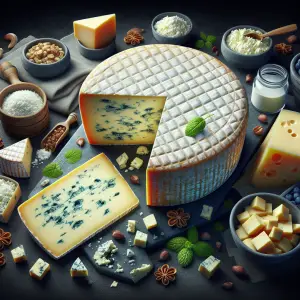
Pecorino Romano is one of Italy’s oldest cheeses, with a history going back over 2,000 years. The name comes from “pecora”, the Italian word for sheep. This cheese is made entirely from sheep’s milk, which explains its strong and salty taste. Traditionally produced in Lazio, Sardinia, and parts of Tuscany, Pecorino Romano was once a staple in Roman soldiers’ diets, thanks to its long shelf life and high nutritional value.
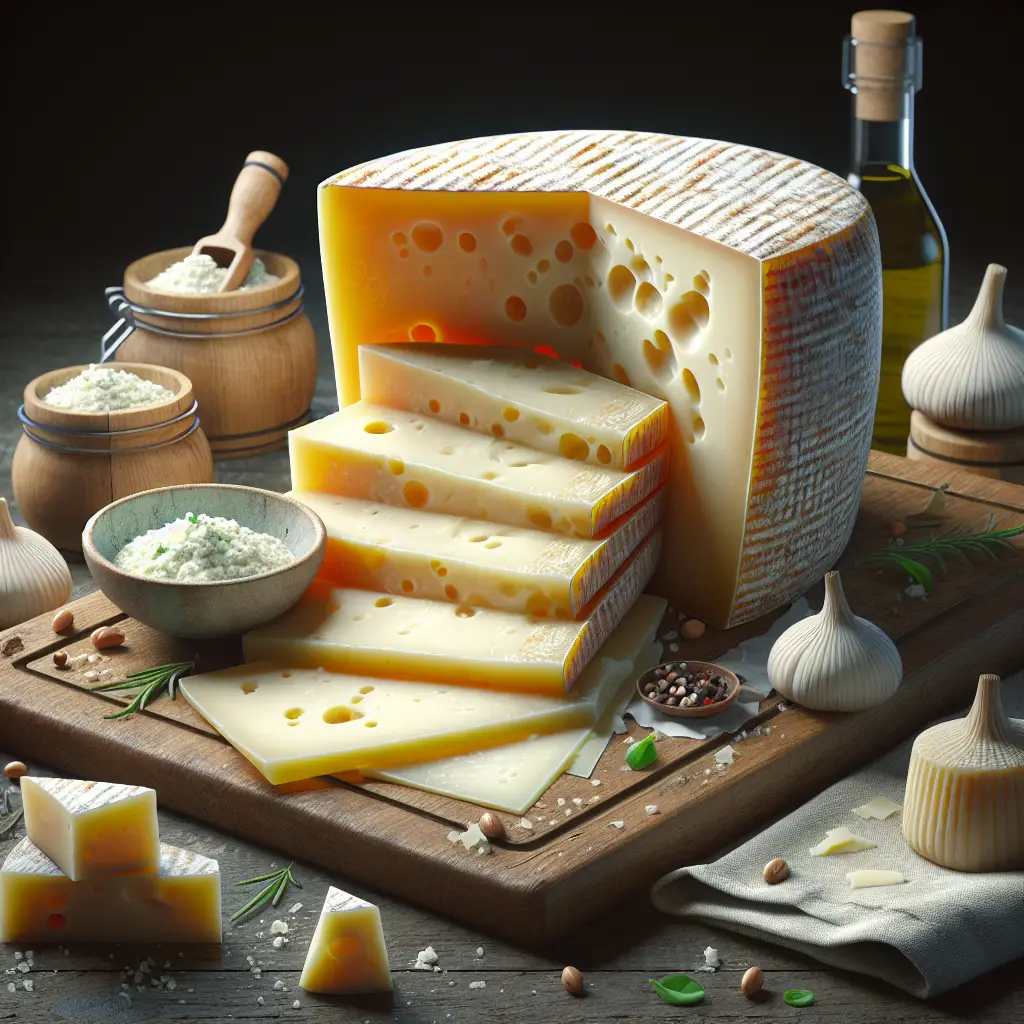
Matured for at least five months (and often up to eight or more), Pecorino Romano has a pale yellow body and a firm, crumbly texture. The flavour is sharp, salty and tangy. The longer it ages, the stronger it becomes. Because it’s made with sheep’s milk, it’s richer and oilier than cow’s milk cheeses, giving it a deeper, more savoury profile.
How Pecorino Romano Differs from Parmesan
People sometimes confuse Pecorino Romano with Parmesan (also known as Parmigiano Reggiano). At first glance, they seem similar; both are hard, grating cheeses with a long ageing process. But when you taste them, the difference is clear.
Parmesan has a sweeter, nuttier flavour, while Pecorino Romano is sharper and saltier. Parmesan comes from cow’s milk and is mostly made in the Emilia-Romagna area. You can browse and buy authentic Parmigiano Reggiano from our collection at Cheese Shop Nantwich to discover the contrast for yourself.
If you’re making Cacio e Pepe or Carbonara, choosing Pecorino Romano instead of Parmesan makes all the difference. That bold saltiness is what gives these Roman dishes their kick.
Culinary Uses: Where Pecorino Romano Shines
Pecorino Romano is a cheese that knows its role and takes it seriously. Because it has such a strong salt profile, it’s mostly used grated rather than eaten in chunks. It melts beautifully and doesn’t lose its sharpness when added to hot dishes.
Classic Recipes with Pecorino Romano
- Cacio e Pepe: This Roman pasta uses just two ingredients besides pasta, Pecorino Romano and black pepper. The tangy cheese melts into the pasta water, creating a creamy sauce without any cream.
- Carbonara: Traditional carbonara is made with eggs, guanciale, black pepper, and Pecorino Romano. No cream. No Parmesan. Just authentic Roman flavour.
- Amatriciana: Another Roman favourite that blends tomato sauce with guanciale and Pecorino Romano, creating a perfect balance of sweet, salty, and savoury.
- Pizza Topping: A light sprinkle can take your homemade Margherita or Four Cheese pizza up a notch.
- Soups and Stews: Add grated Pecorino to minestrone or bean soup for a finishing touch that brings depth and saltiness.
- Stuffings and Fillings: Use it in meatballs, meatloaf or stuffed pasta like ravioli and tortellini.
Traditional Pairings with Pecorino Romano
To enjoy Pecorino Romano in its purest form, a simple cheese board is the best way to go. Slice or chunk the cheese and serve it alongside crusty Italian bread, olives, and cured meats like prosciutto and salami. Pair it with these drinks and sides:
- Wine: Go for bold Italian reds like Chianti, Barolo, or a Nero d’Avola. The richness in the wine cuts through the salt and brings out the cheese’s nutty notes.
- Honey or Fig Jam: A drizzle of honey or a dollop of fig jam alongside a bite of Pecorino Romano creates a perfect sweet-and-salty balance.
- Fresh Fruit: Pears, apples, or grapes make a refreshing counterbalance to the richness and saltiness.
Other Pecorino Cheeses to Explore
Pecorino Romano is the most famous of Italy’s Pecorino cheeses, but it’s only one in a family of incredible sheep milk cheeses. If you’re in the mood to try something different, here are a few options we offer at Cheese Shop Nantwich:
- Pecorino Dolce: This is a younger, sweeter version aged for just 20 to 30 days. It’s softer and great for melting. Ideal for someone just starting out on their Pecorino journey.
- Pecorino di Brisighella: Made in the Emilia-Romagna region, this cheese has a rustic flavour and is perfect for sharper cheese boards. It has a slightly fruity finish and pairs well with robust red wines.
- Pecorino with Truffle: This luxurious twist on the classic includes shavings of black truffle. It’s aromatic, creamy, and unforgettable.
- Moliterno al Tartufo: Not a Pecorino by name, but a similar sheep milk cheese from Sardinia that’s unique because truffle paste is injected into the cheese after it matures. The flavour builds with each bite.
How to Store and Serve Pecorino Romano
As a hard cheese, Pecorino Romano is easy to keep fresh. Wrap it in waxed paper and store it inside an airtight container in the fridge. Avoid plastic wrap, it makes the cheese sweat and can dull its flavour.
This cheese doesn’t need much prep. Let it come to room temperature before serving. Slice or grate depending on the dish, or serve cubes with Italian extras like olives, capers and cured meats. Pecorino doesn’t need a crowd to impress; it stands out all on its own.
Great Substitutes When You’re Out of Romano
There are times when your fridge might not have Pecorino Romano, and you need a backup. While no substitute matches the exact salt and tang of the original, there are options for different types of dishes.
- Grana Padano: Comes from the same region as Parmesan but has a slightly softer flavour. Better suited for lighter pasta dishes.
- Parmigiano Reggiano: As mentioned earlier, it’s a bit nuttier and less salty. You can buy Parmigiano Reggiano here.
- Sheep Milk Cheeses with Truffle: If you want something bold and different, try Moliterno al Tartufo or Pecorino with Truffle for that same intensity with a richer aroma.
FAQs
Is Pecorino Romano vegetarian?
Traditional Pecorino Romano uses animal rennet, so it is not vegetarian. Always check the label or ask us at Cheese Shop Nantwich if you need veggie-friendly cheese.
Why is it so salty?
Pecorino Romano is salted during the ageing process, usually over several days. It’s part of the tradition and helps preserve the cheese while giving it that signature flavour.
Can I freeze Pecorino Romano?
You can freeze it, but we don’t recommend it. Freezing changes the texture, making it crumbly and less enjoyable. It’s better to buy smaller chunks and eat them fresh.
What’s the white stuff on Pecorino Romano?
That’s usually calcium lactate, a natural crystal that forms during ageing. It’s safe and adds a pleasant crunch.
Can I eat the rind?
The rind is technically edible, but very hard. It’s best saved for flavouring soups and stews.
Explore Italian Cheeses with Us
Italian cheese culture is as rich and beautiful as the country itself. Pecorino Romano stands out for its sharpness and history, but it’s just the beginning. At Cheese Shop Nantwich, we have a wide range of artisan Italian cheeses for every taste.
From Mild to Bold – There’s Something for Everyone
Whether you’re after the strong punch of aged sheep’s cheese or the delicate creaminess of fresh mozzarella, we’ve got you covered. Try Taleggio for a soft, washed-rind option, or go for a slice of Gorgonzola if you’re feeling brave. For something milder, our Italian ricotta or burrata is perfect on toast, in pasta, or just with a drizzle of olive oil.
Talk to Us About Your Favourite Cheeses
We love cheese as much as you do. If you’re not sure what to try next or need help finding the right alternative to Romano, just ask. We’re happy to recommend something that suits your dish or your taste.
Pop into Cheese Shop Nantwich and explore our Italian collection. You might walk in looking for Pecorino Romano, but leave with a new favourite.